body · 4 claims
Fever
The commonest affliction in the record, and the one with the longest continuous chain of spirits blamed for it.
Fever is where demonology and medicine were the same subject for most of recorded history. Mesopotamian incantation treats it as an attack by a named being; the Testament of Solomon gives it to a specific decan with a specific counter-name; the New Testament has Jesus rebuke a fever as though addressing something.
What is worth noticing is where it stops. The grimoires — the Ars Goetia, the Key of Solomon, Weyer's list — barely mention illness at all. Their spirits teach astronomy, find treasure and command legions. The catalogue tradition that most people think of as demonology is the one least interested in what a demon does to a body.
Oldest first
Who was blamed, and by which text?
Each card is one text making one attribution, in its own framing. Reading down the column is a transmission history rather than a set of independent witnesses — and where a claim carries a grading, that grading is about how well it is grounded in the passage it cites, nothing more.
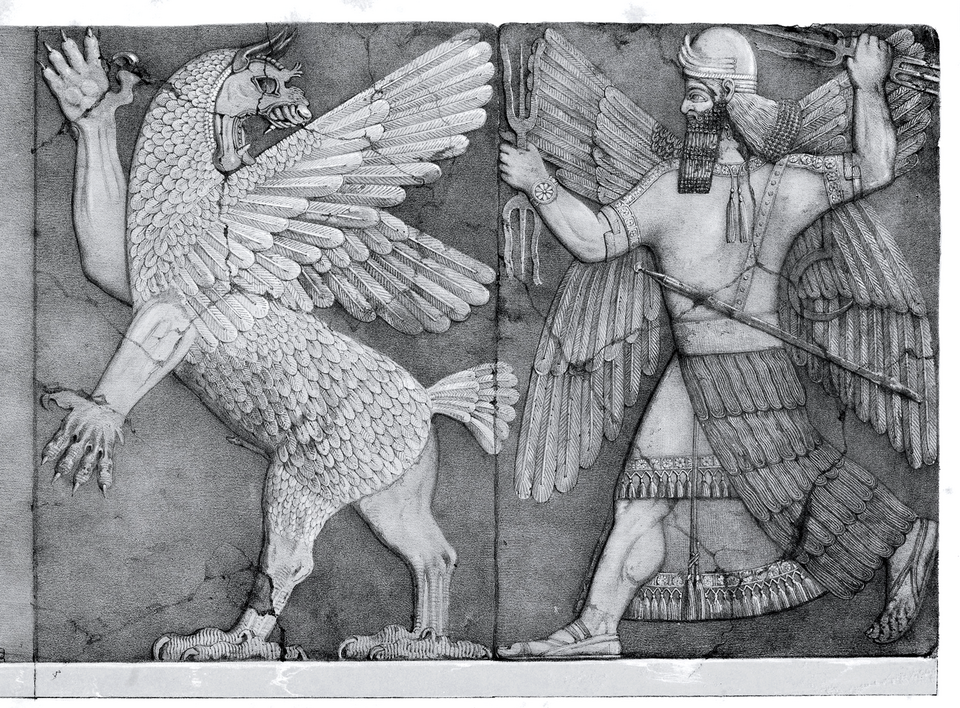
Brings fever and wasting to mother and infant alike, entering the house to touch the belly of the pregnant woman.
What stops it
Amulets bearing the head of Pazuzu, hung at the door or worn at the neck, with the incantation recited over them.
An unnamed fever
New Testament · c. 50–110 CEJesus stands over Simon's mother-in-law and rebukes the fever, and it leaves her — addressed as something that can be spoken to.
One of the thirty-six decans, who says he brings on fevers — and that they are irremediable when he is at work.
What stops it
The text gives a name to be spoken or written against him, as it does for each decan.
Persistent physical illness treated as potentially having a spiritual cause requiring deliverance rather than only treatment.
Grading · Contested. The tradition's own writers warn against assuming a spiritual cause for illness, and the gospels distinguish healing from exorcism.
Countermeasures
What the texts say stops it
c. 1800-600 BCE
Amulets bearing the head of Pazuzu, hung at the door or worn at the neck, with the incantation recited over them.
c. 100–400 CE
The text gives a name to be spoken or written against him, as it does for each decan.
Which texts make these claims?
Oldest first. The distance between the earliest and the latest is the thing worth looking at: a claim made in an incantation four thousand years ago and one made in a paperback in 1973 are different kinds of evidence about the same symptom.

Akkadian Incantation Series & Amulet Inscriptions
Anonymous; recovered from Assyrian and Babylonian sites · c. 1800-600 BCE · Akkadian and Sumerian
Brings fever and wasting to mother and infant alike, entering the house to touch the belly of the pregnant woman.
Read Akkadian Incantation Series & Amulet Inscriptions in full ↗Cover: Public domain · Robert William Rogers (1864–1930) · Wikimedia file page
New Testament
Various · c. 50–110 CE · Koine Greek
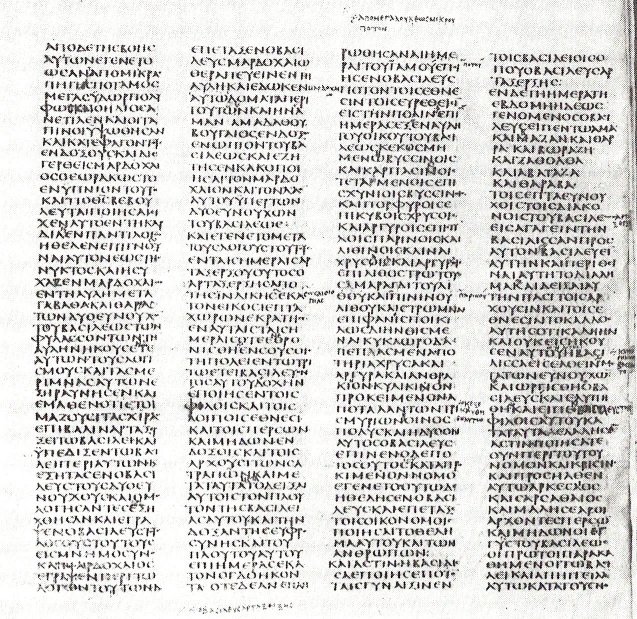
Jesus stands over Simon's mother-in-law and rebukes the fever, and it leaves her — addressed as something that can be spoken to.
Read New Testament in full ↗Cover: Public domain · Wikimedia file page
The Testament of Solomon
Anonymous; tr. F. C. Conybeare · c. 100–400 CE · Greek
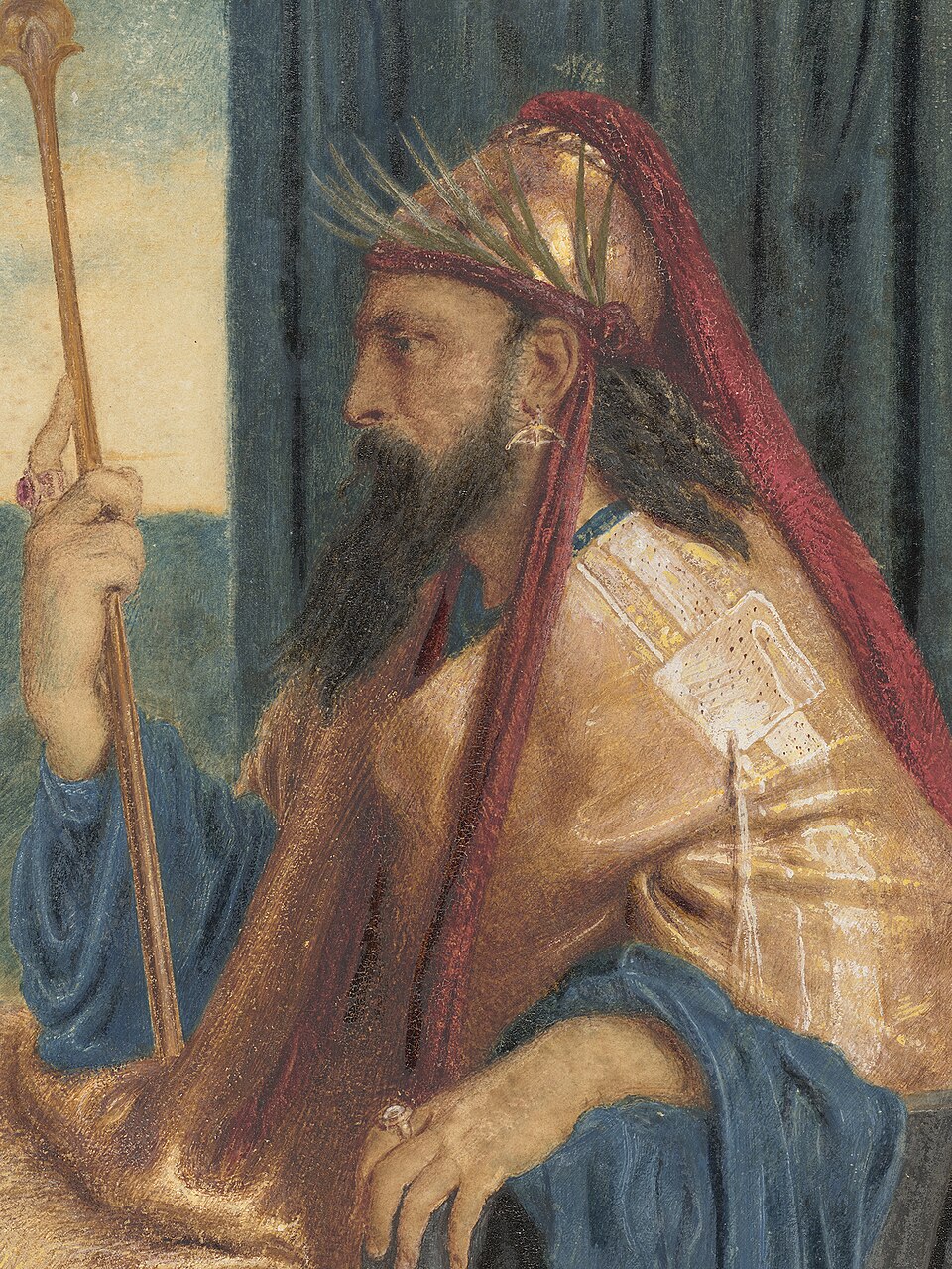
One of the thirty-six decans, who says he brings on fevers — and that they are irremediable when he is at work.
Read The Testament of Solomon in full ↗Cover: CC0 · Simeon Solomon · Wikimedia file page
They Shall Expel Demons
Derek Prince · 1998 · English
Persistent physical illness treated as potentially having a spiritual cause requiring deliverance rather than only treatment.
Read They Shall Expel Demons in full ↗