Norse · Latin · c. 1200
Gesta Danorum
Saxo Grammaticus; tr. Oliver Elton
The Danish history, written in Latin at about the moment Snorri was writing in Icelandic and drawing on different material. Saxo's gods are men: magicians who deceived the credulous into worshipping them, and who can be shamed, exiled and replaced. The euhemerism is not a stray remark but the frame of the whole first half, which makes this the corpus's fullest example of a pantheon being disposed of by explanation rather than by condemnation.
Read Gesta Danorum in full at the linked edition →What this text attests · 3
| Name here | Rank given | # | Powers described |
|---|---|---|---|
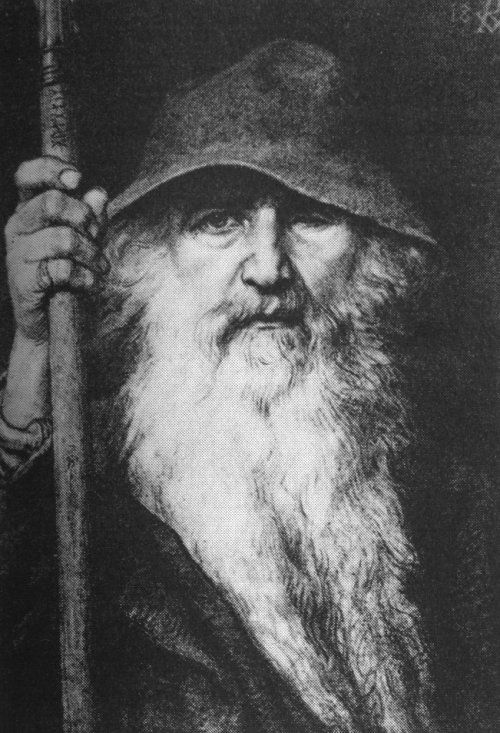 Othinus = Odin | — | — | A man rather than a god, in the corpus's fullest case of euhemerism. Saxo's Othinus is a magician taken for a deity across Europe, who is driven into exile in disgrace when his own conduct becomes indefensible and whose place is taken by a substitute in the interval. A god deposed by his colleagues for embarrassing them is a demotion nothing in the Norse material itself supplies. |
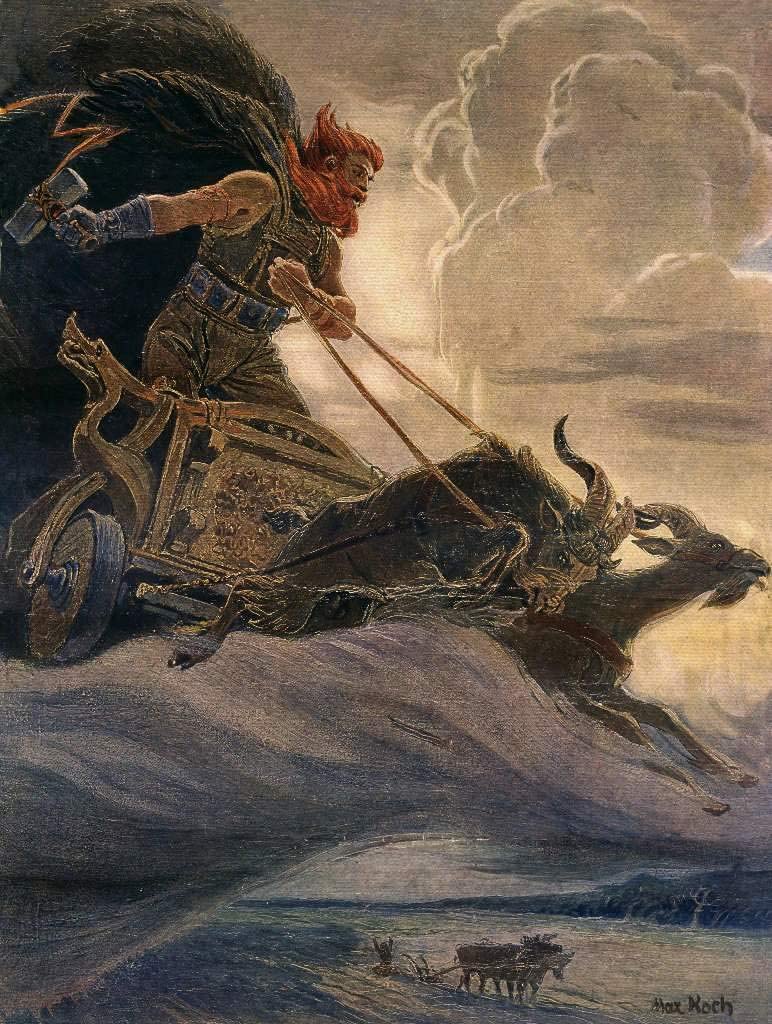 Thoro = Thor | — | — | Reduced along with the rest, and reduced specifically as a fraud: his hammer and his thunder are attributed to contrivance and to the credulity of the people who accepted them. Saxo also has him beaten in battle by a mortal, which no Norse source would countenance. |
Utgarthilocus = Loki | — | — | A bound giant in a stinking cave, found by Thorkillus' expedition and identified only by a hair pulled from his chin. Whether this figure is Loki, Útgarða-Loki, or a Danish conflation of the two is genuinely unsettled and the corpus does not settle it — what is worth having is that a Latin history written for a Christian court has the enemy chained underground and visited, which is the shape a bound spirit takes everywhere else in this corpus. |