Yoruba & Diaspora · English · Written 1897, published 1921
The History of the Yorubas
Samuel Johnson; edited by O. Johnson
A Yoruba clergyman's history of his own people, written from oral tradition and from the court historians of Oyo. Its treatment of Shango is the reason it is here: Johnson places him in the king-list as the fourth Alaafin of Oyo, a violent ruler who hanged himself and was afterwards declared a god by his followers. Euhemerism performed from inside a tradition, by a Christian who is also a source for it, and a useful check on the assumption that only outsiders explain gods away.
Read The History of the Yorubas in full at the linked edition →What this text attests · 7
| Name here | Rank given | # | Powers described |
|---|---|---|---|
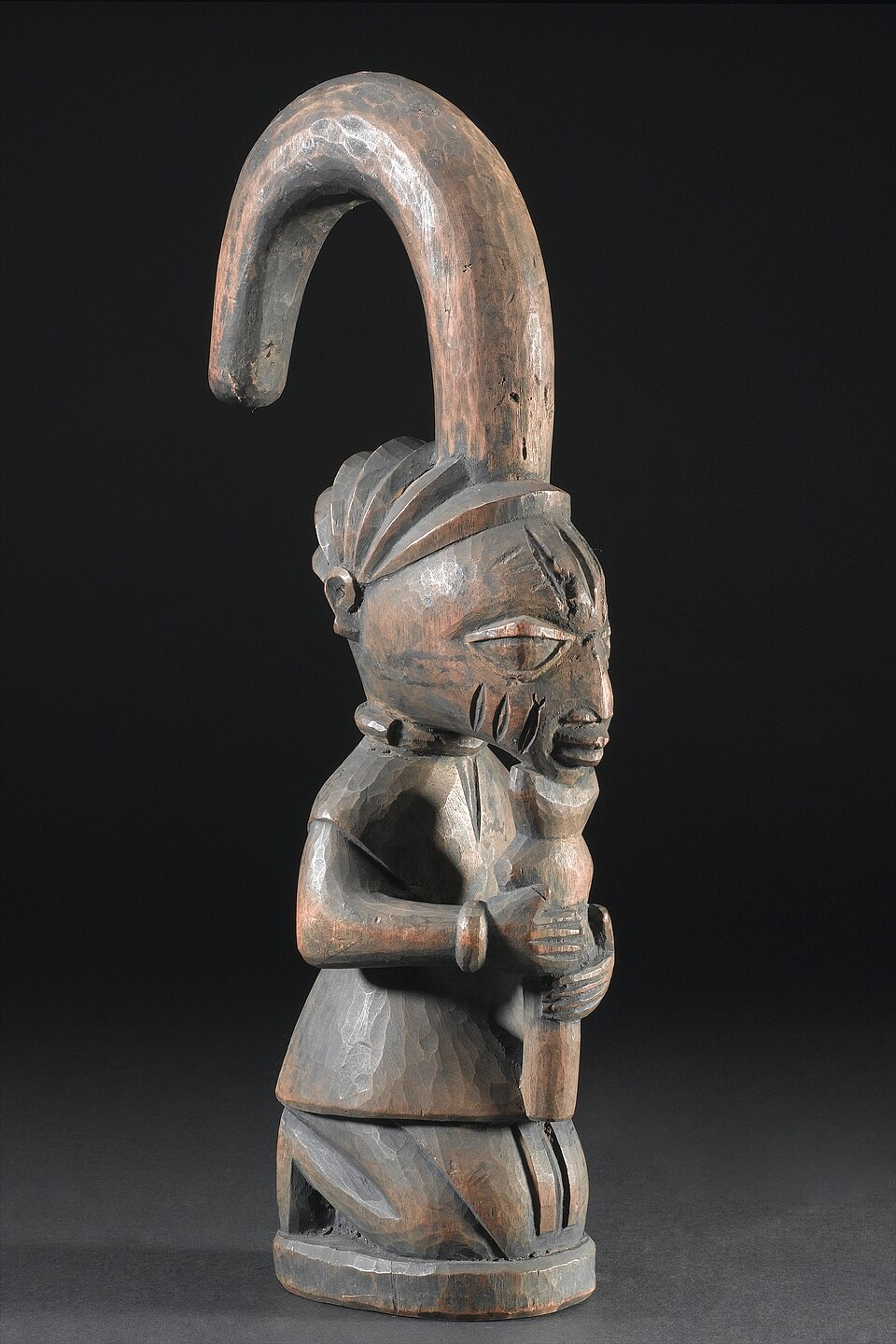 Eshu (Elegbara) = Eshu | — | — | The identification this corpus exists to examine, recorded at the moment it is being made: Johnson reports Eshu treated as the Yoruba devil, a rendering the missionary translations fixed by using his name for Satan in Yoruba scripture. A trickster and arbiter of offerings becomes the adversary because a translator needed a word, and the tradition has been arguing with the choice ever since. |
Ifá = Orunmila | The god of divination | — | Described with the sixteen palm nuts, the tray and the professional diviners, in an account written by a clergyman documenting a practice his church opposed. |
| The great orisha | — | Described in the account of Yoruba worship with the white cloth, the abstinence from palm wine and the standing of his priesthood at Ife. | |
| — | — | The god of iron described through the practice attached to him — the oath sworn on iron, the trades that keep his observances, the war-making his name governs. What Johnson adds to the divination corpus is social range: an orisha whose worship is organised around an occupation rather than around a shrine. | |
Olorun = Olodumare | Lord of heaven | — | Recorded as the supreme god of the Yoruba, distinguished by having no image, no temple and no priesthood, in a book written by a Christian clergyman who found the distinction worth insisting on. |
| Wife of Shango | — | Recorded as Shango's wife and identified with the Niger, in the history that places both of them in the dynastic account of Oyo. | |
| — | — | Placed in the king-list as the fourth Alaafin of Oyo: a violent ruler who lost his following, hanged himself, and was declared a god afterwards by partisans who insisted he had not. Euhemerism from inside the tradition, written by a Yoruba clergyman — and the corpus keeps it beside the Ifá material rather than instead of it, because the two accounts do not agree and neither is the outsider's. |