Deity · Yoruba · c. 1500 CE
Obatala
Also called Orisha-nla, Obbatalá
The Yoruba orisha who moulds human bodies before birth, and who made the disabled ones while drunk on palm wine — which is why he is owed to them and why his worship forbids the drink.
Single lineage
The story is a theodicy of a kind the traditions on this site rarely attempt. Rather than assign disability to a curse, a demon or a punishment, it makes it a mistake by the god responsible for bodies, made under the influence, and then makes the people so shaped his particular charges — sacred to him, under his protection, and the reason his devotees do not drink. The corpus holds it because the mechanism is instructive: a tradition that can locate a fault in a god does not need an adversary to explain suffering.
Identity
Where does the name come from?
Where it was actually worshipped
Ile-Ife, the city his shaping of the world is told from
A figure with temples and a figure that only ever existed on a page are different kinds of thing, and the difference is easy to lose once both are entries in a list.
At a glance
Vitals
Vitals
Also known as
- Rank
- King of the White Cloth
- Pantheon
- Yoruba
- Order
- Yoruba pantheon
- Base of operations
- Ile-Ife, the city his shaping of the world is told from
- Era
- c. 1500 CE
- Traditions
- Yoruba & Diaspora
Traits
- Domain
- The shaping of human bodies, purity, restraint
- Traditional form
- In white cloth, without ornament
Stats
Known connections
Chain of command
1 site
Where was it worshipped?
Attested cult sites, located against the Pleiades gazetteer of the ancient world where it reaches and against Wikidata everywhere else. An absence here is not evidence that no cult existed: a good number of figures never had one, and the entry above says so where that is the case.
Where the Yoruba place the making of the world, and the centre from which the orisha are counted.
The city the shaping of the first people is told from.
7.467, 4.567 · Wikidata Q180084
4 attributed
What is it said to do?
Where these powers cluster
The 4 offices attributed to Obatala, grouped by kind. Segment width is the share of powers falling in each category.
A bar dominated by one colour means a specialist; an even spread means a figure the sources credit with almost anything.
- knowledge1
- martial1
- material1
- social1
knowledge
martial
material
social
2 texts
Which texts say so, and where do they disagree?
When these texts were written
Each dot is one of the 2 texts that names Obatala, placed at that text's approximate date.
A wide spread means the figure was carried across many centuries and traditions; a tight cluster means a single period produced the whole record.
2 texts, all inside a single century
Where the texts differ
- Rank: given as The great orisha; Orisha-nla
Described in the account of Yoruba worship with the white cloth, the abstinence from palm wine and the standing of his priesthood at Ife.
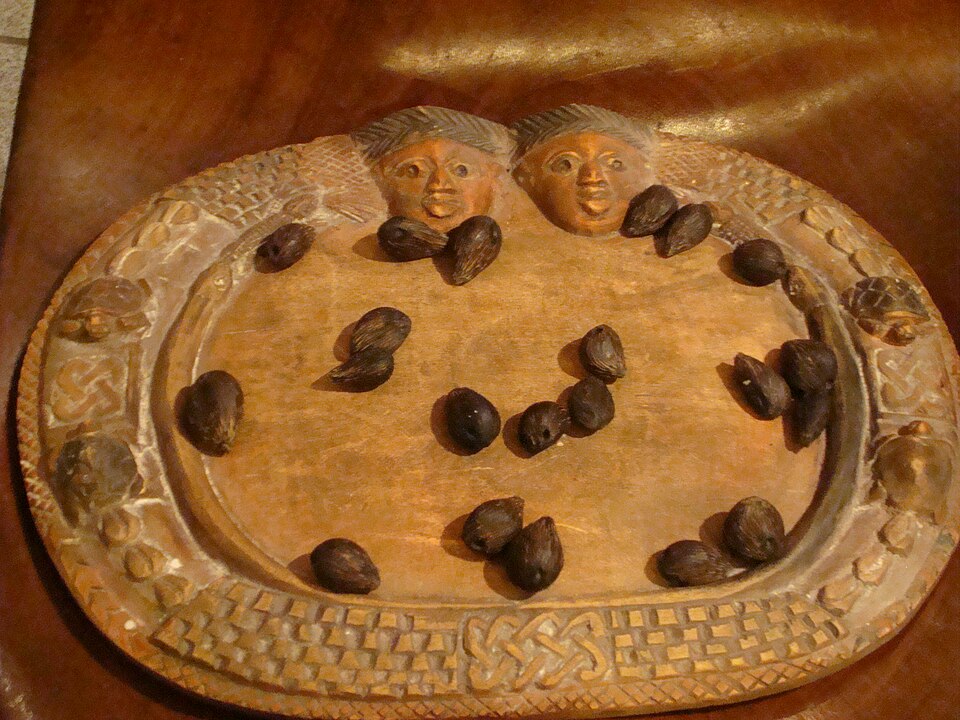
Given the shaping of human bodies and the moulding of the first people; the palm-wine episode and the resulting prohibition are recited among the odu.
Connections
What is it connected to?
Answered from the sources
Common questions
Which texts mention Obatala?
What rank is Obatala?
How else is Obatala spelled?
What is Obatala said to do?
How old is Obatala?
Nearest in the corpus
If Obatala is what you came for, these are next
Chosen by proximity rather than by popularity: the same pantheon first, then the same rank, then the same kind of figure.
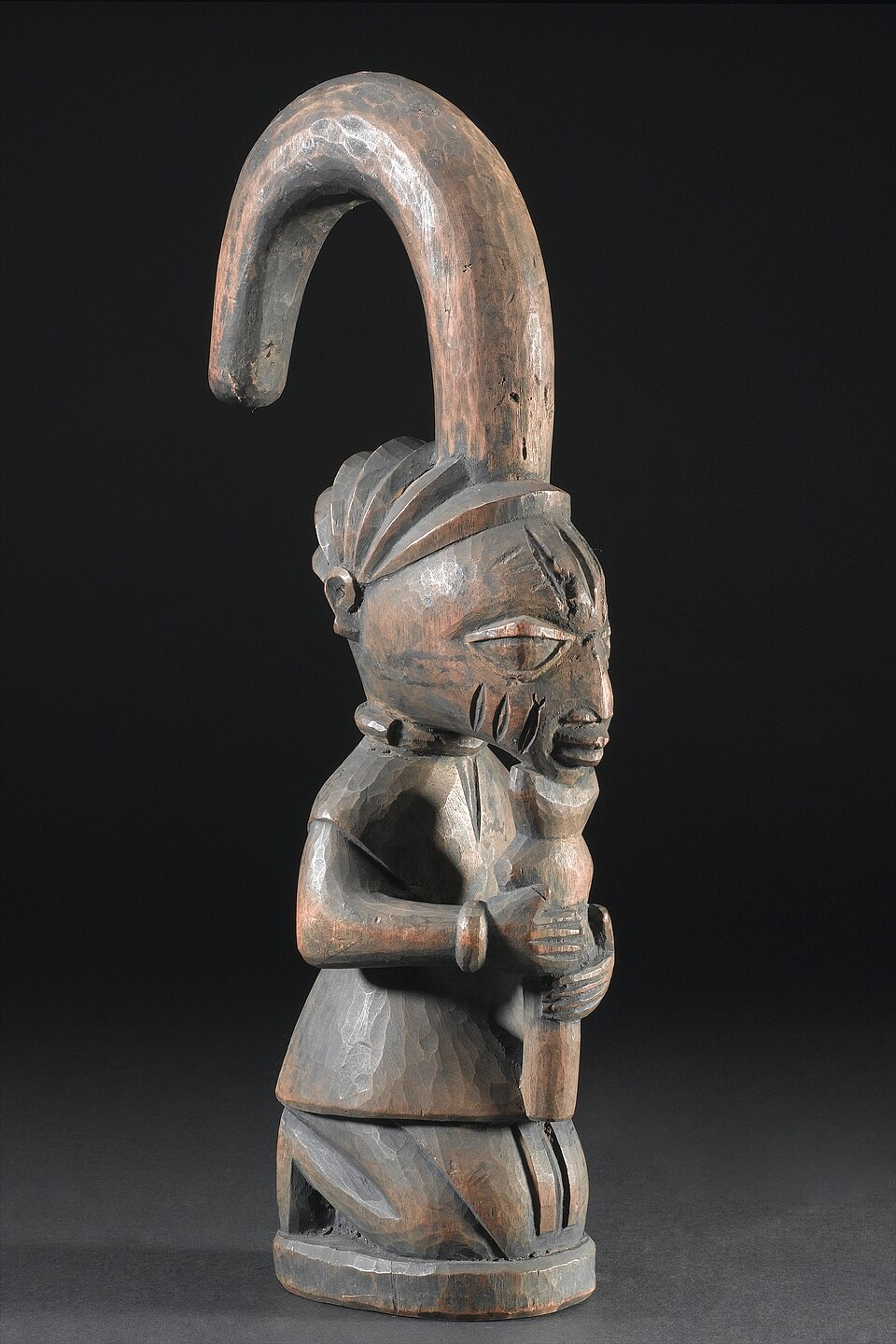
Eshu
Divine Messenger · Yoruba
Messenger between humanity and the orisha, addressed first in any rite. Missionaries met a trickster at a crossroads and called him Satan, and the mistake has proved very hard to undo.
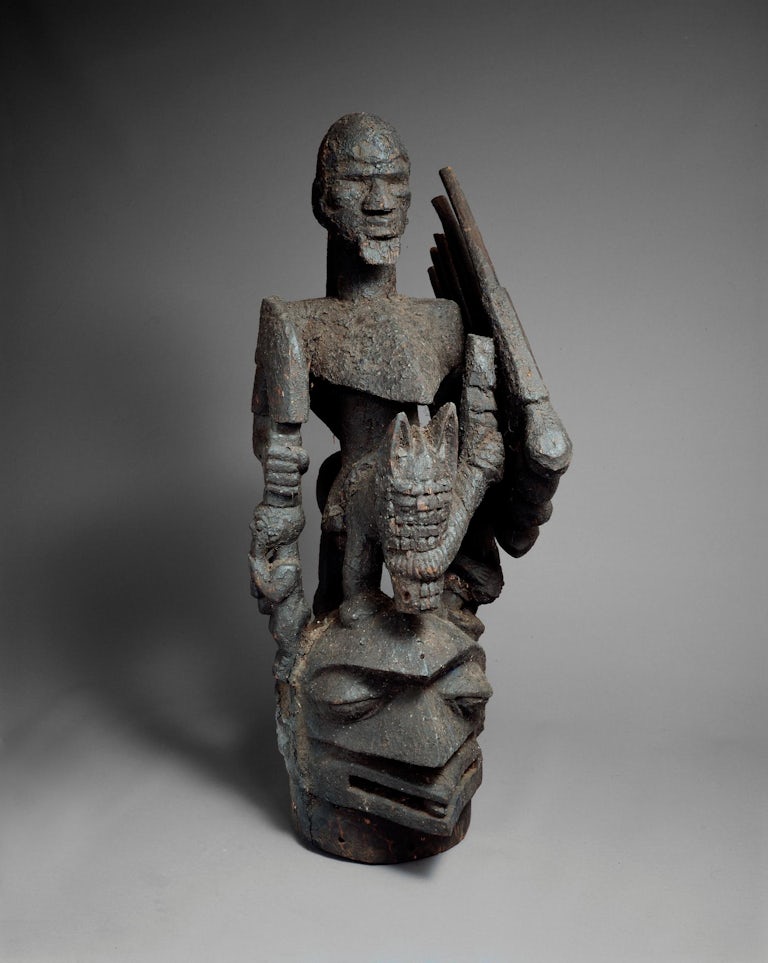
Ogun
Orisha of Iron · Yoruba
Orisha of iron and of the tools made from it — patron of smiths, surgeons and soldiers alike, since all three cut.
Olodumare
The Supreme Being · Yoruba
The Yoruba supreme being, who has no images, no temples and no priests of his own — the orisha are the ones addressed, and the corpus's clearest example of a high god who is not worshipped directly.
Orunmila
Witness to Destiny · Yoruba
The Yoruba orisha of divination, who was present when each person chose their destiny and is consulted to find out what was chosen — the figure the whole Ifá corpus belongs to.
Oya
Owner of the Wind · Yoruba
The Yoruba orisha of wind and storm, wife of Shango and keeper of the gate between the living and the dead — the one who goes ahead of the thunder.
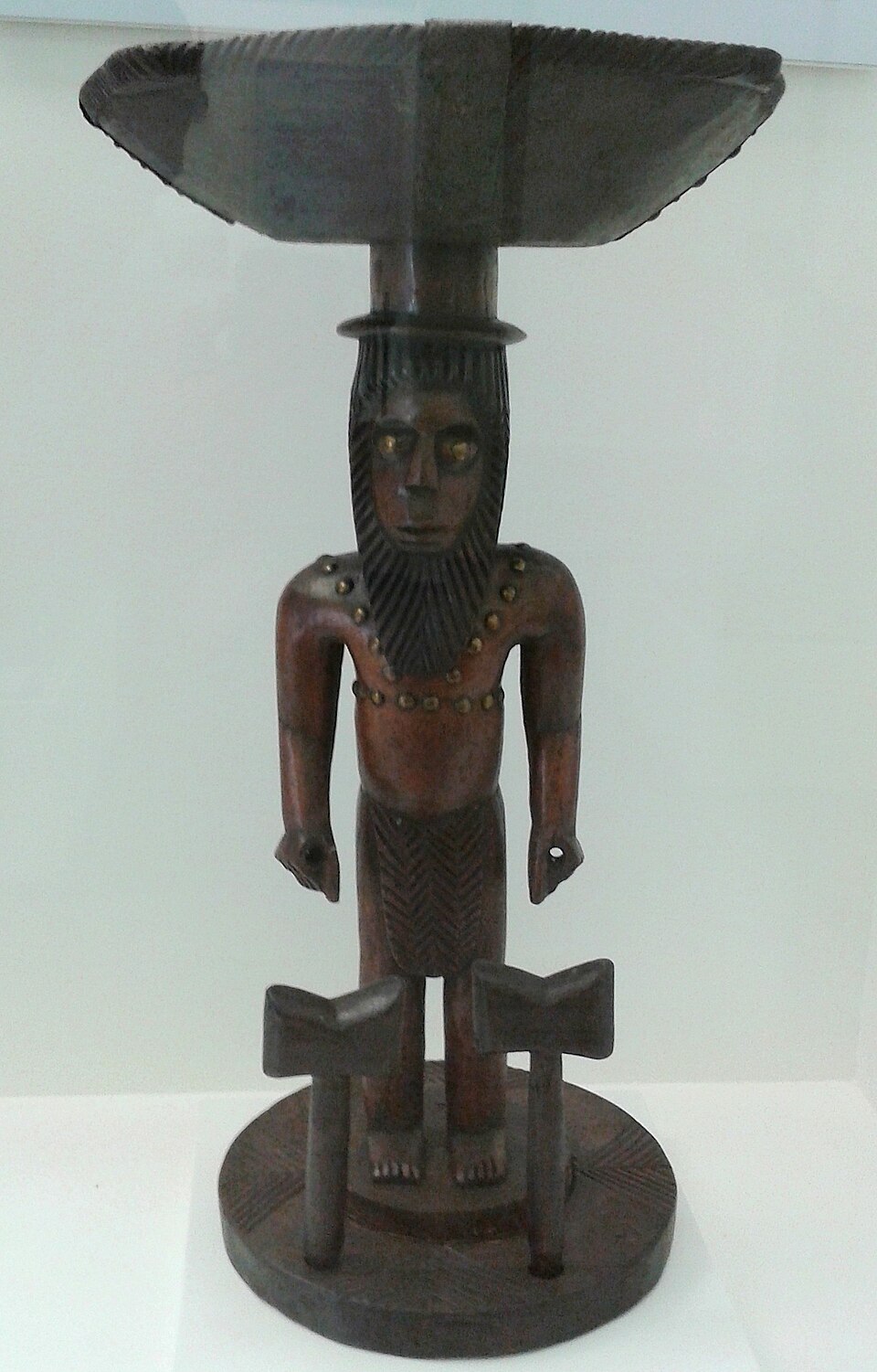
Shango
Orisha of Thunder · Yoruba
Thunder-orisha and a remembered king of Oyo — a historical ruler who became a god, which is euhemerism running the other way.
The books behind Obatala
Every claim on this profile is attributed to one of these. They are public domain, listed oldest first, and each links to a full text where one is freely available.
The History of the Yorubas
Samuel Johnson; edited by O. Johnson · Written 1897, published 1921 · English
Read The History of the Yorubas in full ↗The Odu Ifá
Oral; transmitted by babalawo · Oral tradition, first transcribed 19th-20th c. · Yoruba
Read The Odu Ifá in full ↗Cover: Public domain · Toluaye · Wikimedia file page
Corpus last revised 29 August 2026. A reference site’s credibility rests on being maintained, so this is the date the sourced records last changed — not the date the page was rebuilt.