Roman · Latin · c. 19 BCE
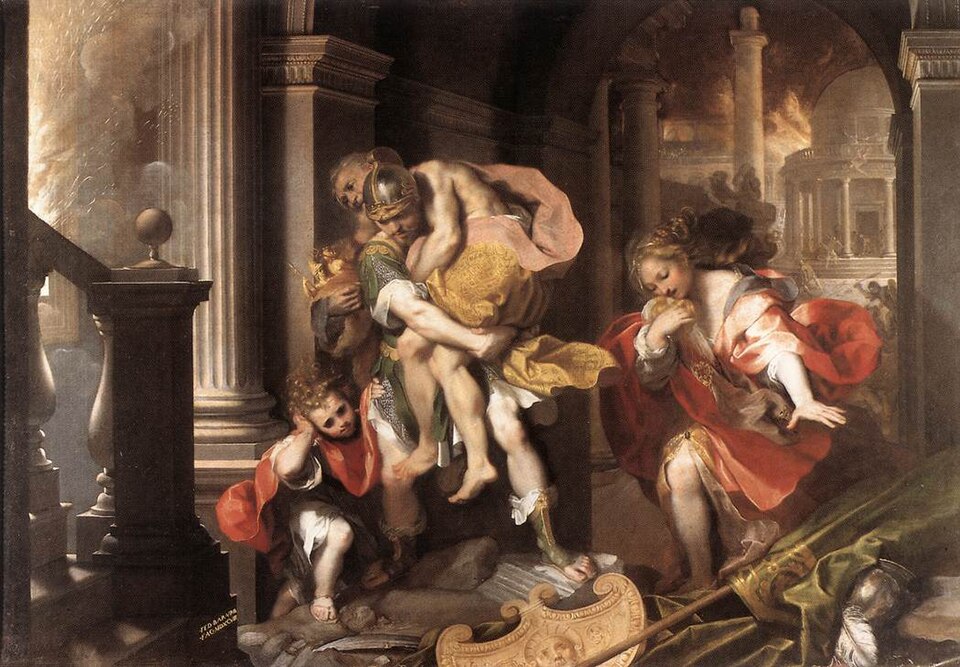
The Aeneid
Virgil; tr. John Dryden
Book VI takes Aeneas down into the underworld past Charon, the unburied dead and the judgment of Rhadamanthus. It is the fullest classical description of the realm below, and much of the Christian imagery of hell is downstream of it.
Read The Aeneid in full at the linked edition →What this text attests · 6
| Name here | Rank given | # | Powers described |
|---|---|---|---|
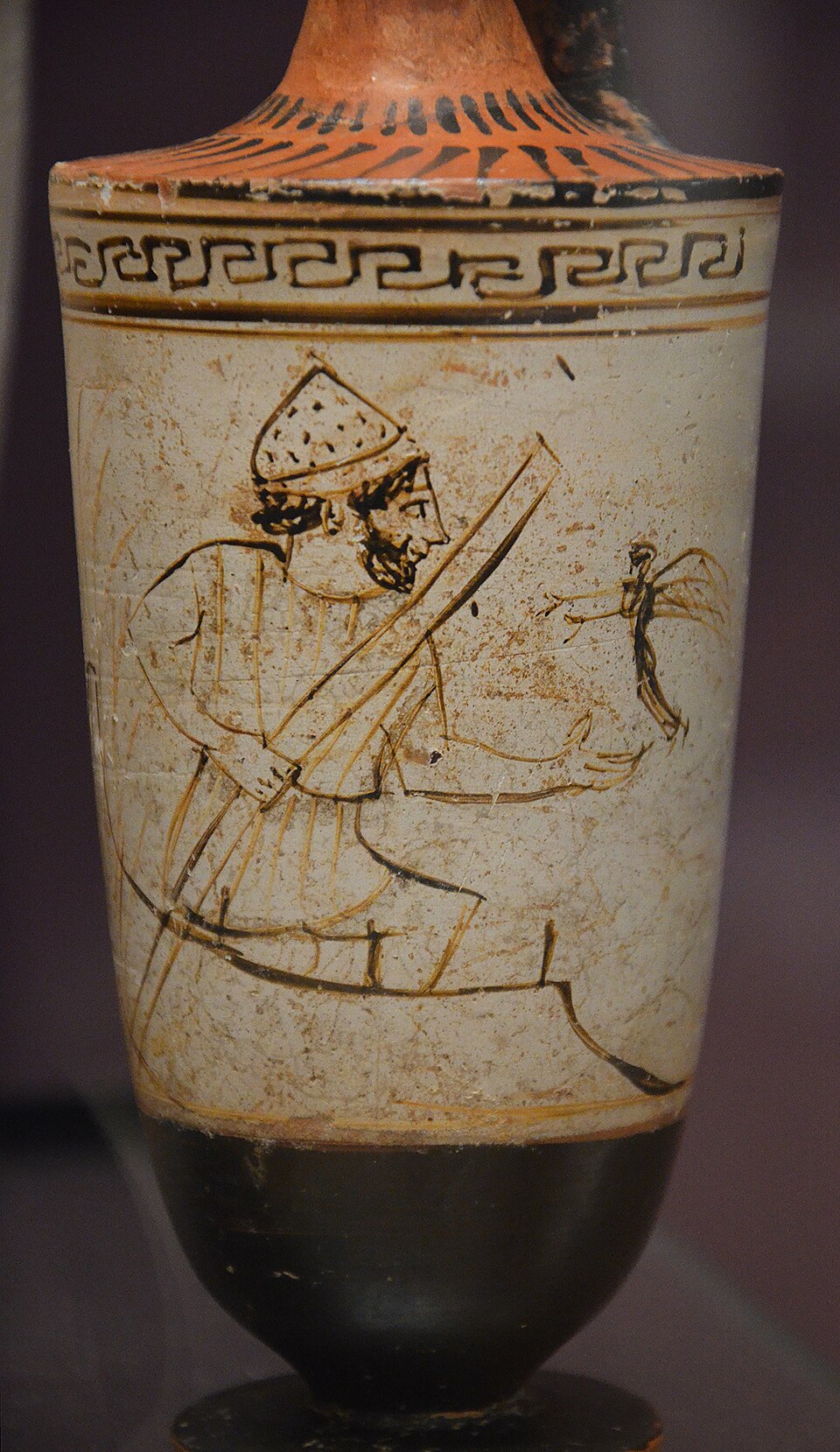
| Ferryman of Acheron | — | Squalid and aged, he poles the shades across and turns back the unburied, who must wander the bank a hundred years. | |
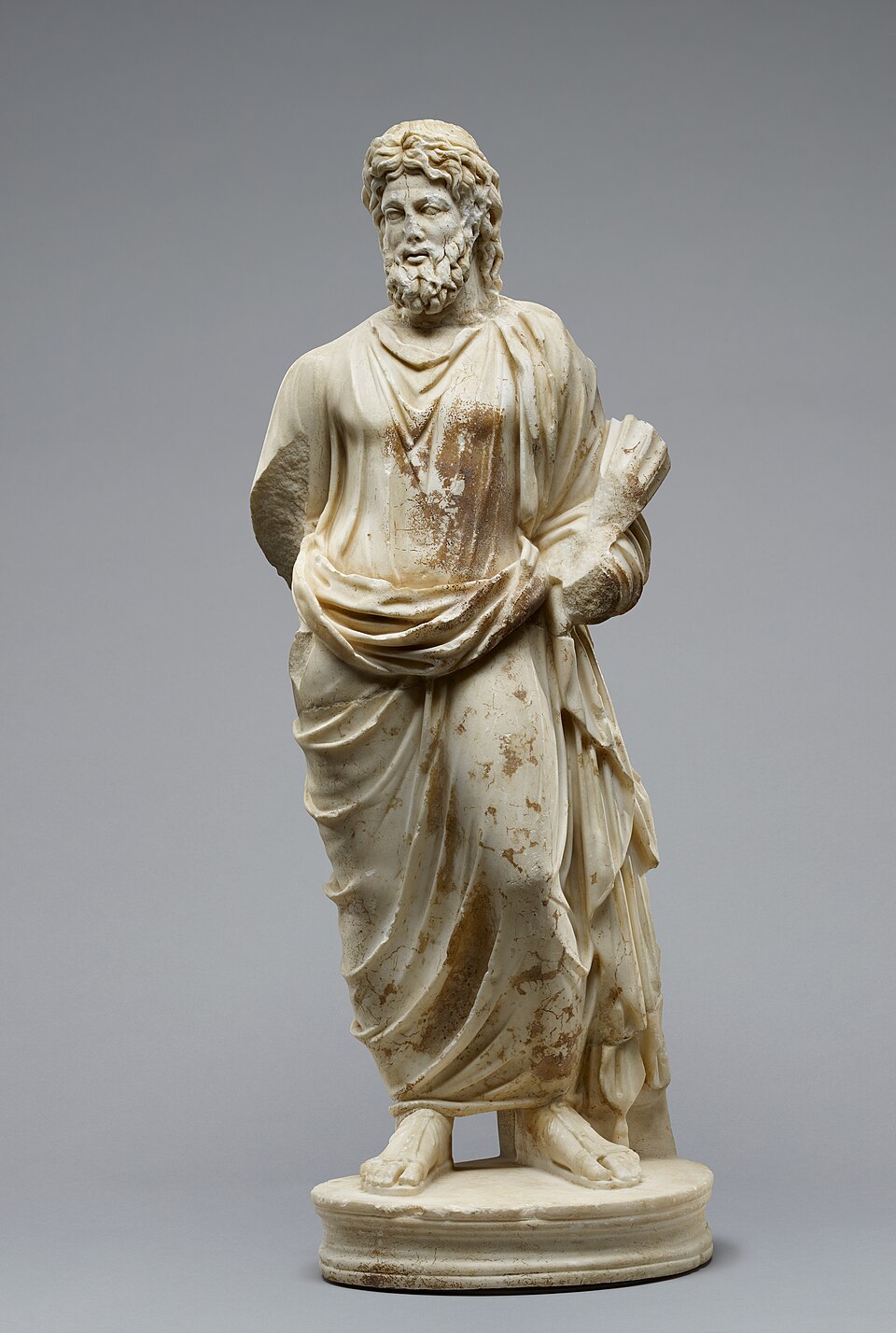 Dis = Pluto | Lord of the shades | — | Virgil names the underworld and its ruler Dis. Plouton, 'the wealthy one', is the older Greek euphemism, used to avoid naming him at all. |
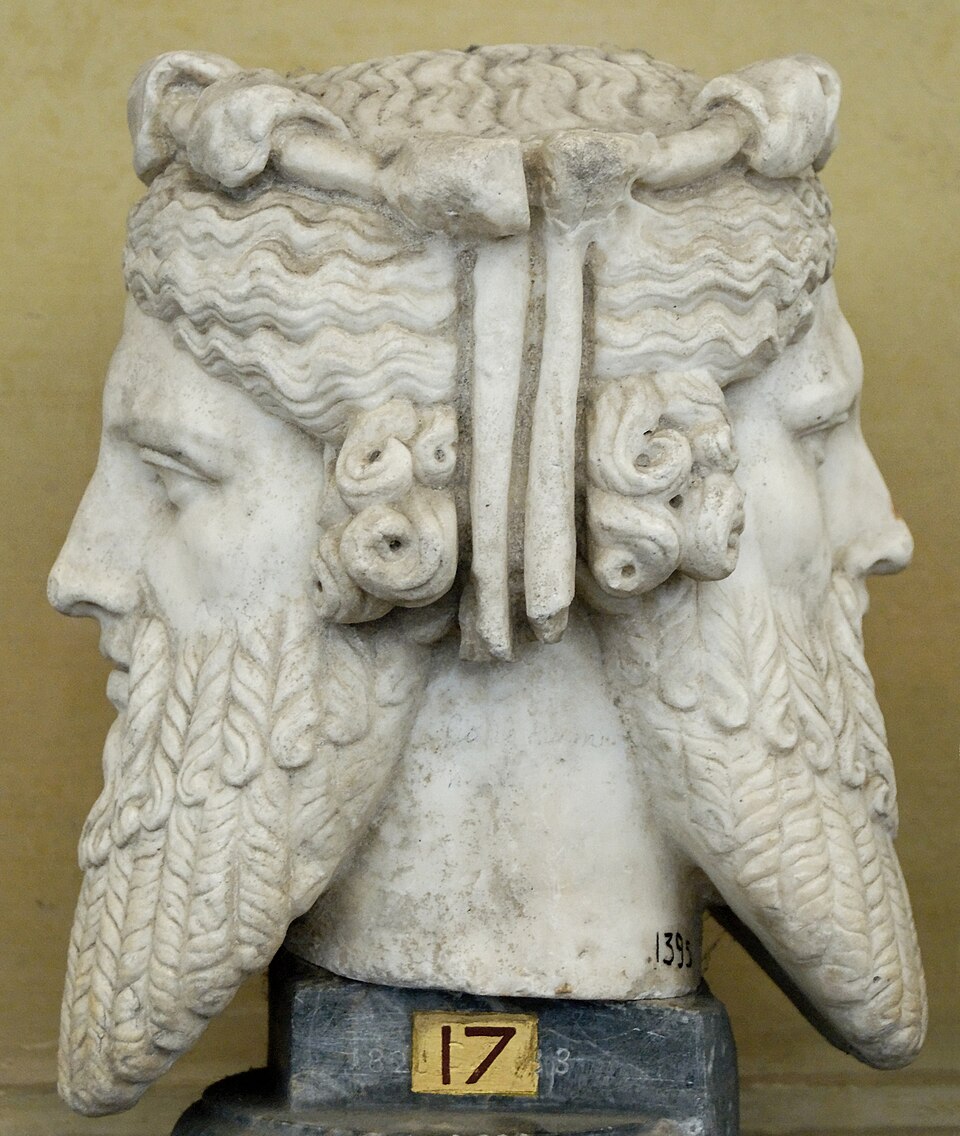
| — | — | The twin gates of war, sacred to Janus and closed only in peace, thrown open to begin the fighting in Latium. The corpus's other Janus attestation explains his two faces; this one shows a whole state's decision to go to war expressed as the opening of one god's door. | |
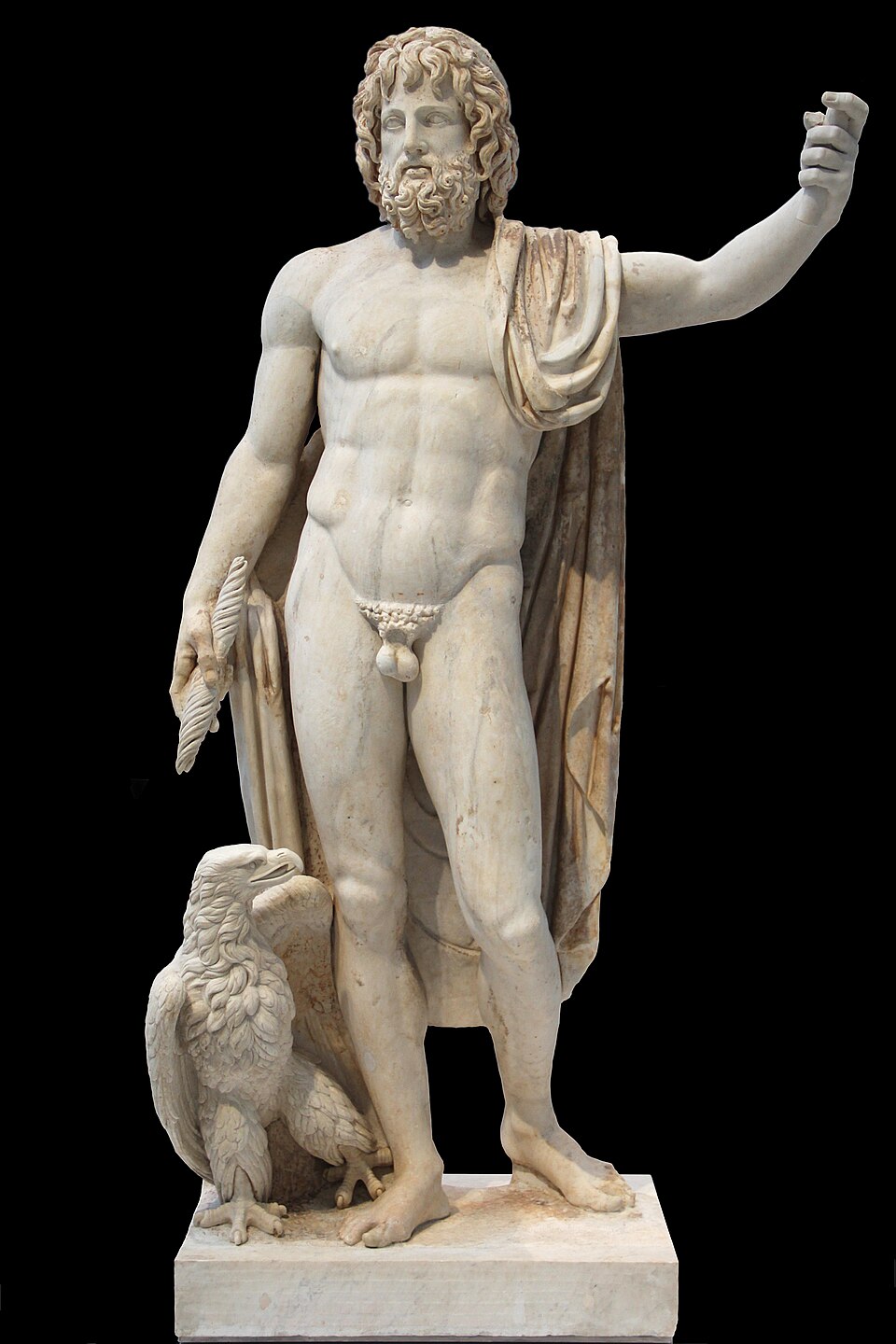
| — | — | The god of the Roman state doctrine: he sets out the empire without end, restrains the other gods, and is the guarantor of fate rather than its author. Beside Ovid's philanderer, the corpus holds two Latin Jupiters written a generation apart — one official, one literary — and the distance between them is the point. | |
| — | — | War itself as much as a person — the field of Mars, the fury of Mars — with the god invoked where the Greek poem would name Ares as a character. The grammatical difference is a religious one: Rome's war god is an institution before he is a figure, which is why he is the one Olympian the empire never made a joke of. | |
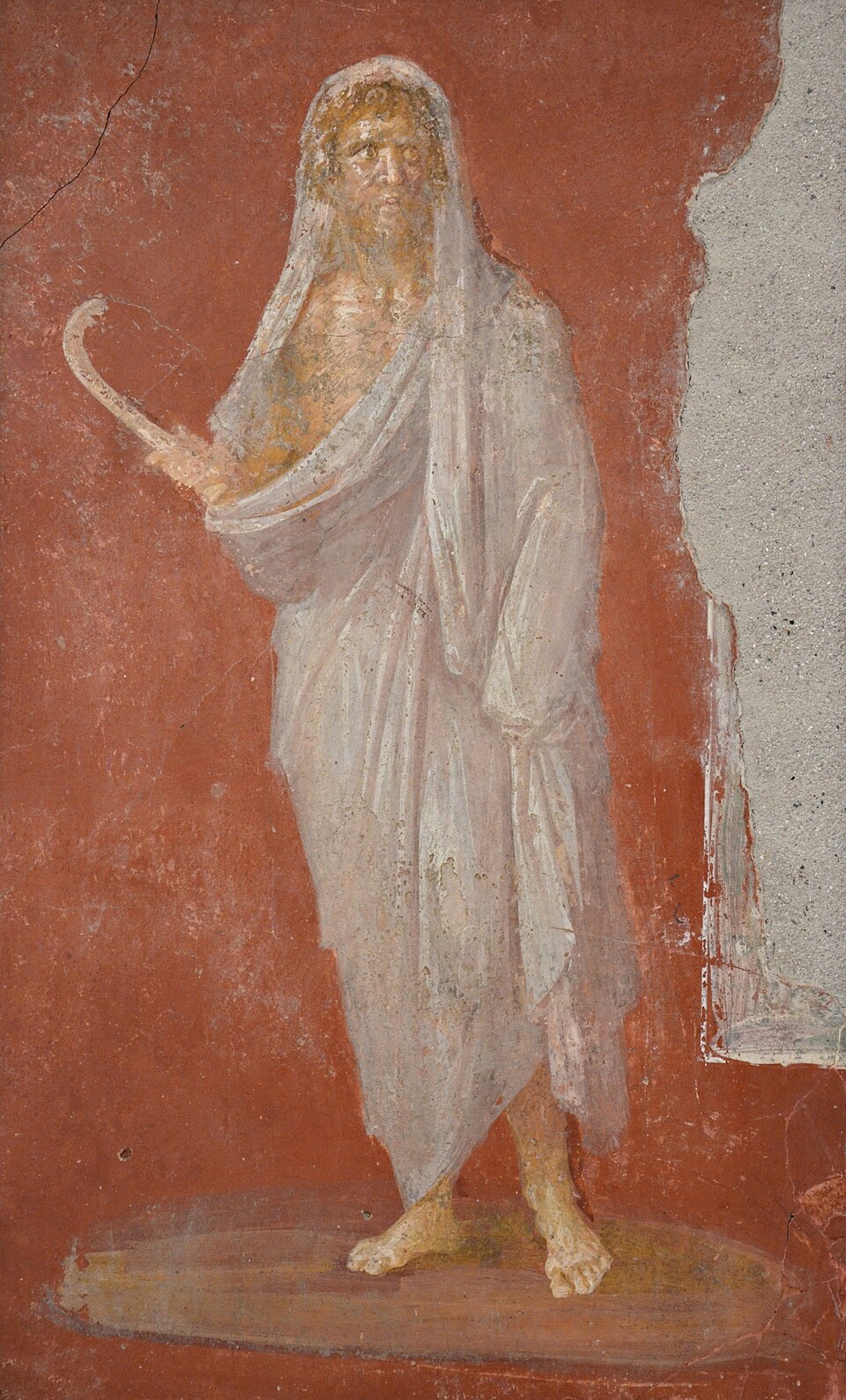
| — | — | Given a local history: he came to Latium as a fugitive from his son, gathered a lawless people into a community and gave them laws, and the region is named Latium because he lay hidden there. A deposed Greek Titan turned into the founding civiliser of Italy is euhemerism working for a national epic. |