Norse · Old Norse · 13th c., from older oral material
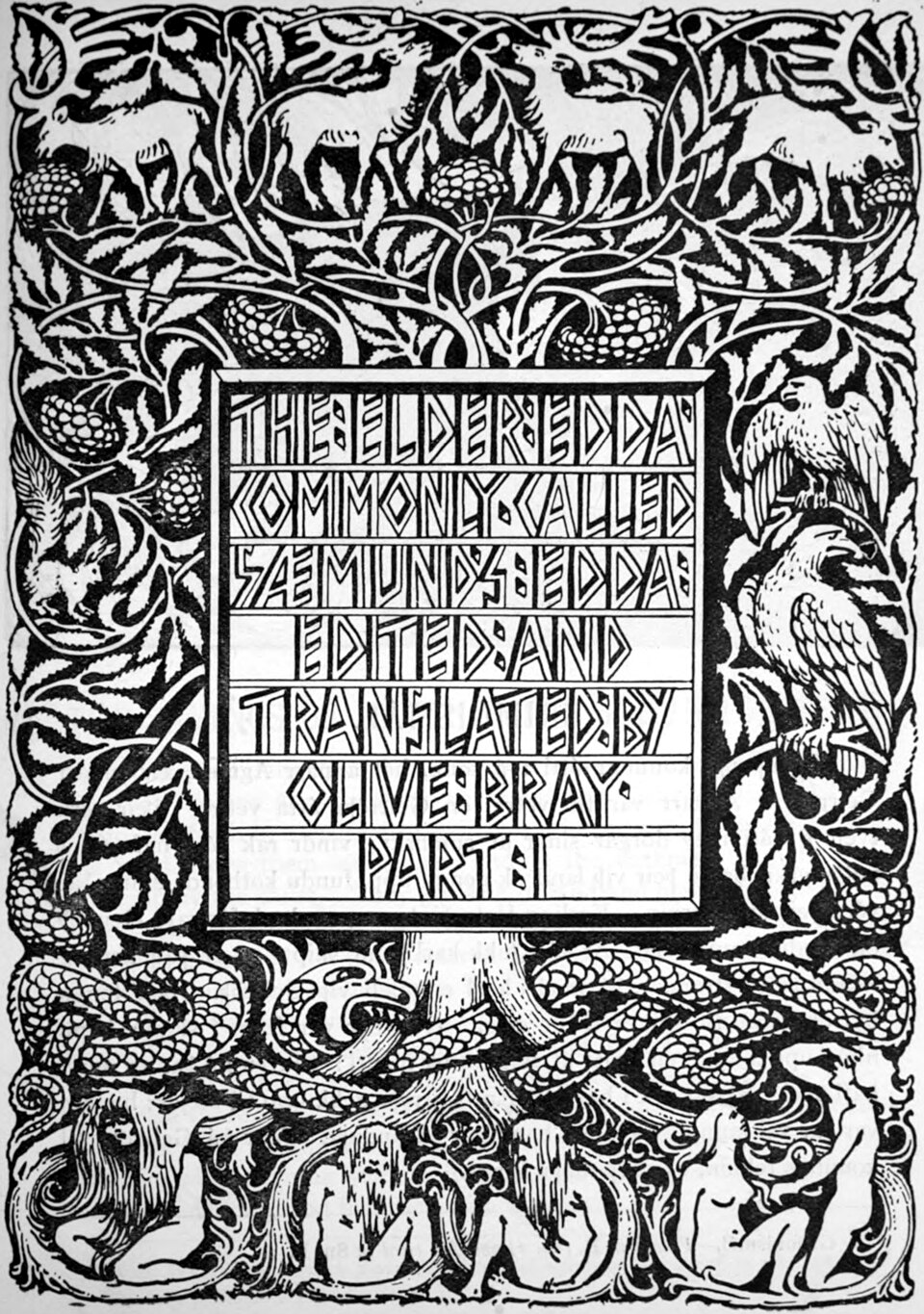
The Poetic Edda
Anonymous; compiled in Iceland
The Norse mythological poems. Loki's transformation across them — from awkward companion to bound enemy who leads the forces of Ragnarok — is a demonisation caught partly in progress.
Read The Poetic Edda in full at the linked edition →Hierarchies from this text
What this text attests · 7
| Name here | Rank given | # | Powers described |
|---|---|---|---|
| Son of Loki | — | Bound by Gleipnir; breaks free at Ragnarok and swallows Odin. | |
| Vanir goddess | — | Teaches seidr to the Aesir; receives half of those who fall in battle in her hall Sessrumnir. | |
| Daughter of Loki | — | Given authority over the ninth world, to apportion places to those sent to her. | |
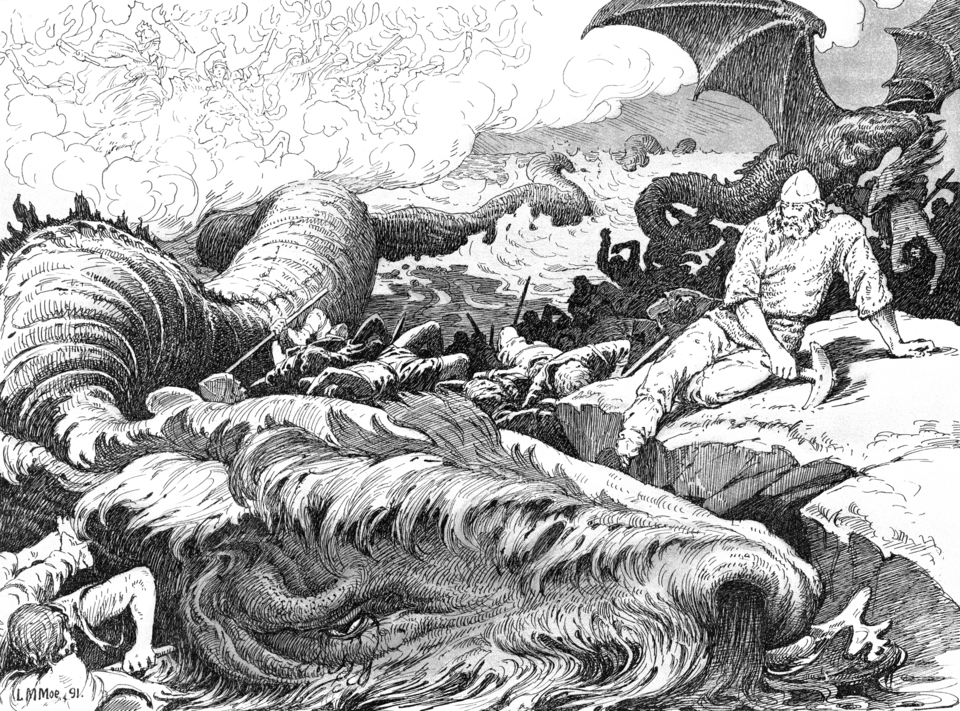 Jörmungandr = Jormungandr | Son of Loki | — | Encircles Midgard; kills Thor and is killed by him at Ragnarok. |
| Of the Aesir | — | Insults the gods at Aegir's feast, engineers Baldr's death, and is bound beneath a serpent until Ragnarok. | |
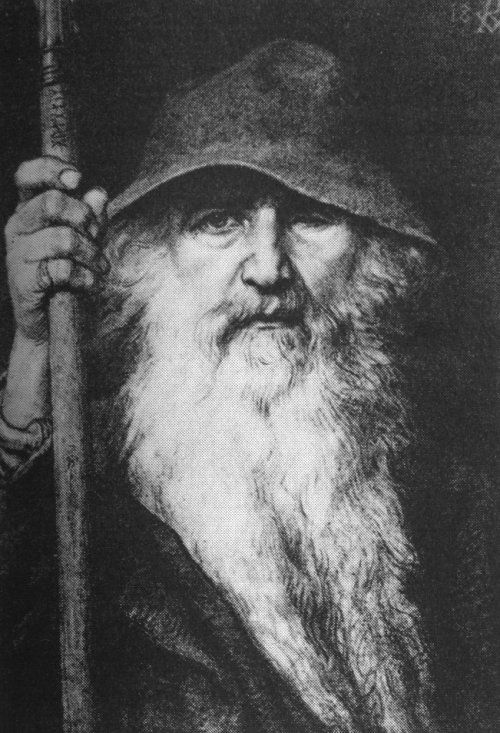 Óðinn = Odin | Allfather | — | Wins the runes by self-sacrifice on the windswept tree; questions the dead; takes half the slain to Valhalla. |
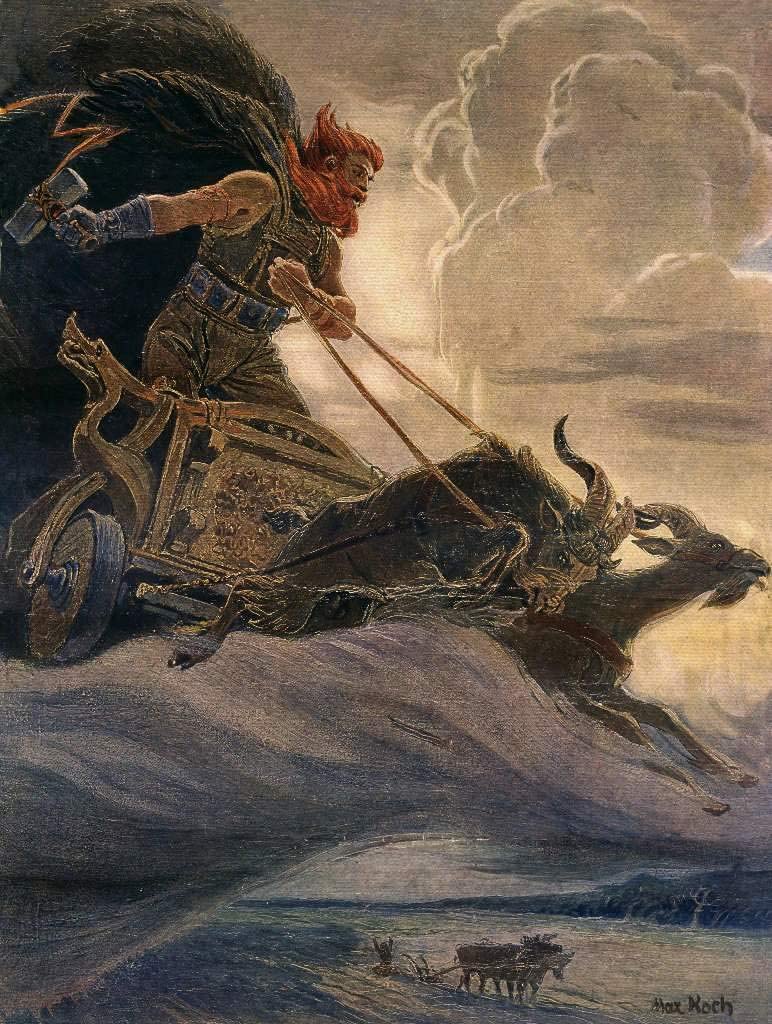 Þórr = Thor | Son of Odin | — | Fishes for the world-serpent, wins back the hammer from Thrym, and dies of the serpent's venom at Ragnarok. |
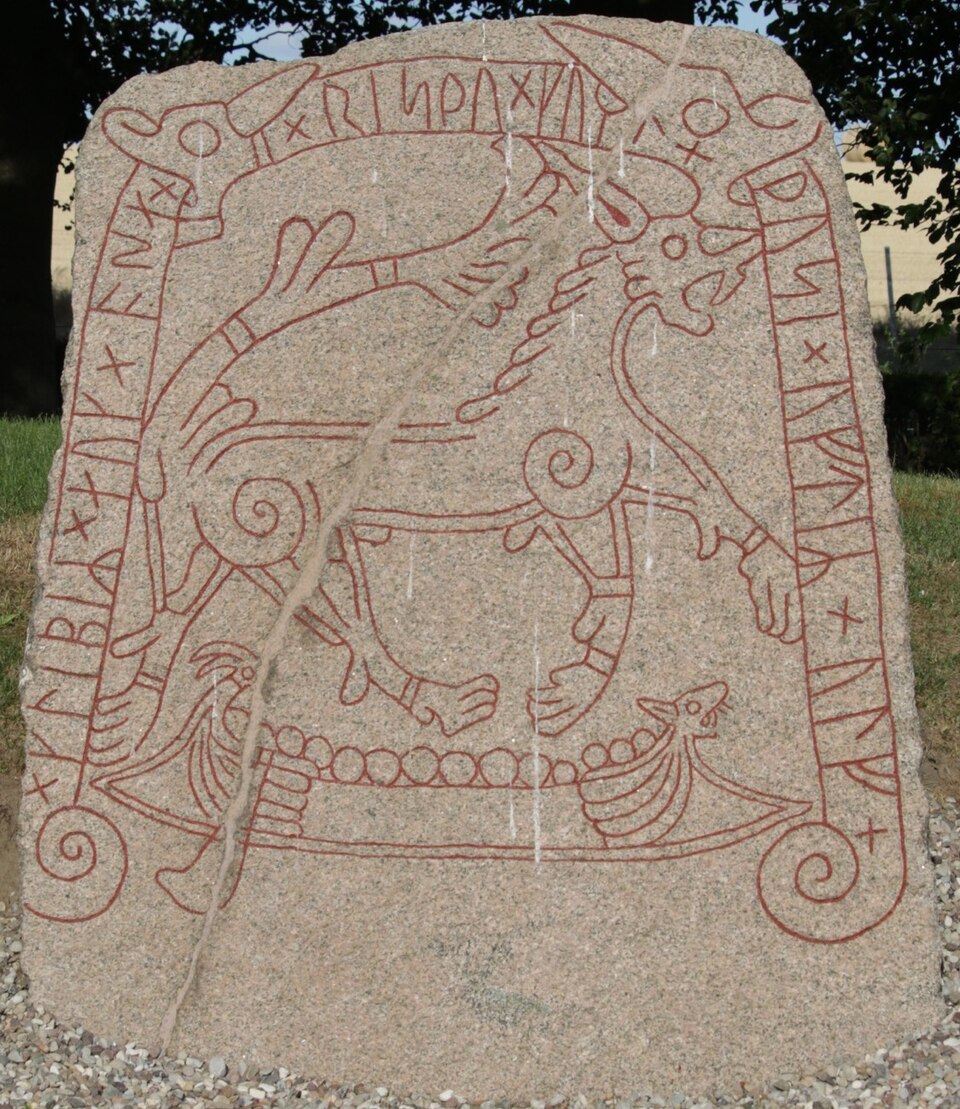
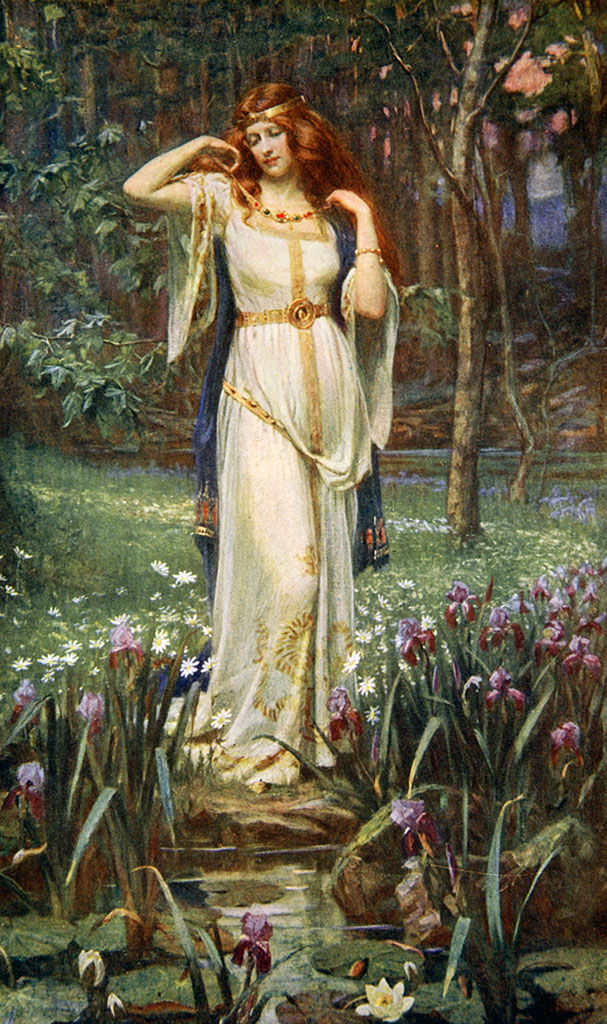
What does it actually say?
The passages themselves, as this text gives them. Read them against what the other texts here say about the same figures — that comparison is the point.
“I ween that I hung on the windy tree, Hung there for nights full nine.”