Deity · Norse · c. 1270 CE
Freyja
Also called Vanadís, Vanadis, Freya, Freia, Freyia (per Wikidata)
Goddess of love and of sorcery who takes half the slain — the other half, not Odin's, which is rarely remembered.
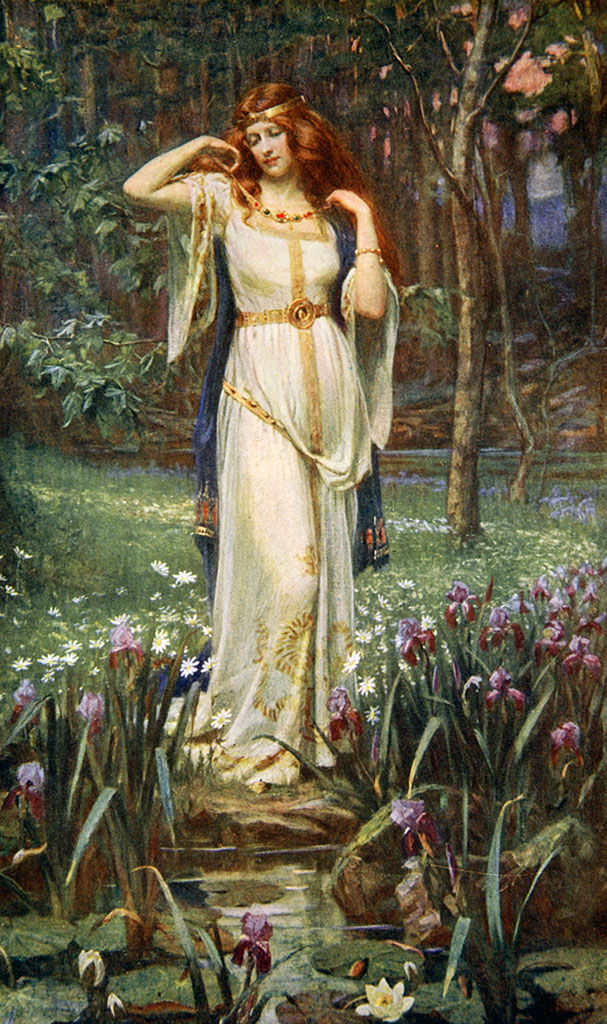
Narrow source base
Vanir by birth and Aesir by treaty, which makes her this corpus's clearest case of a god arriving as part of a settlement. Snorri divides the war dead between her and Odin, half each, and gives her the Brísingamen, a hall of her own and a chariot drawn by cats; he also calls her the last of the gods to remain known, which is a claim about survival rather than about worship and is recorded here as his. She is credited with the practice of seiðr and with teaching it to the Aesir — a working technique attributed to a goddess, which is unusual in this material and one of the few places Norse religion describes its own ritual rather than its myths.
Identity
Where does the name come from?
Where it was actually worshipped
Gamla Uppsala with the others, and a great many place-names in central Sweden, which is the best evidence of cult that survives for her.
A figure with temples and a figure that only ever existed on a page are different kinds of thing, and the difference is easy to lose once both are entries in a list.
At a glance
Vitals
Vitals
Also known as
- First attested
- The Prose Edda · c. 1220
- Rank
- Lady of the Vanir
- Pantheon
- Norse
- Order
- Norse pantheon
- Base of operations
- Gamla Uppsala with the others, and a great many place-names in central Sweden, which is the best evidence of cult that survives for her.
- Era
- c. 1270 CE
- Traditions
- Norse
- Placed in
- The Nine Worlds
Traits
- Domain
- Love, fertility, gold, seidr, and half the battle-slain
- Traditional form
- In a falcon cloak, with a cat-drawn chariot
1 site
Where was it worshipped?
Attested cult sites, located against the Pleiades gazetteer of the ancient world where it reaches and against Wikidata everywhere else. An absence here is not evidence that no cult existed: a good number of figures never had one, and the entry above says so where that is the case.
Where Adam of Bremen puts Thor in the middle of the temple, with Odin and Freyr on either side.
59.894, 17.639 · Wikidata Q433032
4 attributed
What is it said to do?
Where these powers cluster
The 4 offices attributed to Freyja, grouped by kind. Segment width is the share of powers falling in each category.
A bar dominated by one colour means a specialist; an even spread means a figure the sources credit with almost anything.
- divination1
- material1
- social1
- transformation1
divination
material
social
transformation
2 texts
Which texts say so?
When these texts were written
Each dot is one of the 2 texts that names Freyja, placed at that text's approximate date.
A wide spread means the figure was carried across many centuries and traditions; a tight cluster means a single period produced the whole record.
2 texts, all inside a single century
The Vanir hostage settled among the Aesir, owner of the Brísingamen and of a hall where she takes half the slain — Odin takes the other half, which is a division of the war dead the Poetic Edda states and Snorri explains. He also calls her the last of the gods to remain known, which is a claim about survival rather than about worship, and worth recording as his.
Teaches seidr to the Aesir; receives half of those who fall in battle in her hall Sessrumnir.
Connections
What is it connected to?
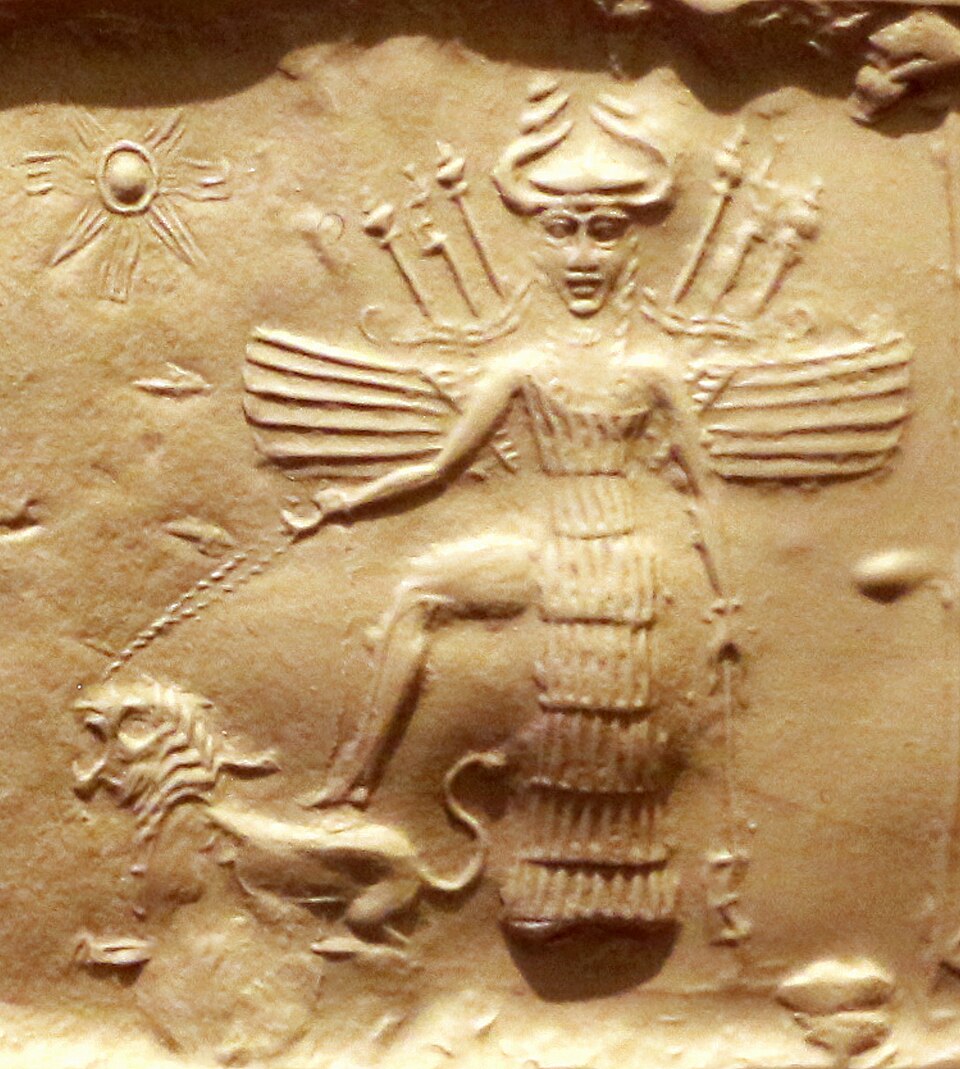
Placement
Where does it sit in the hierarchies?
Afterwards
What did later readers make of it?
Cats, gold and Friday, none of them straightforwardly hers. The weekday is named for a goddess whose identity is disputed, since Old English has Frīġedæġ and the Frigg–Freyja relationship is exactly what the sources will not settle. Modern Heathen practice has taken her up as the most-invoked of the goddesses, largely on Snorri's account of the Brísingamen and the division of the slain, and the seiðr attributed to her is the basis of a good deal of contemporary reconstruction — reconstruction being the honest word, since the medieval descriptions are thin.
Kept in its own section on purpose. Everything above is what the cited texts say; this is what was built on top of them afterwards, and blending the two is how most popular demonology goes wrong.
Answered from the sources
Common questions
Which texts mention Freyja?
Is Freyja the same as Astarte?
What rank is Freyja?
How else is Freyja spelled?
What is Freyja said to do?
How old is Freyja?
Nearest in the corpus
If Freyja is what you came for, these are next
Chosen by proximity rather than by popularity: the same pantheon first, then the same rank, then the same kind of figure.
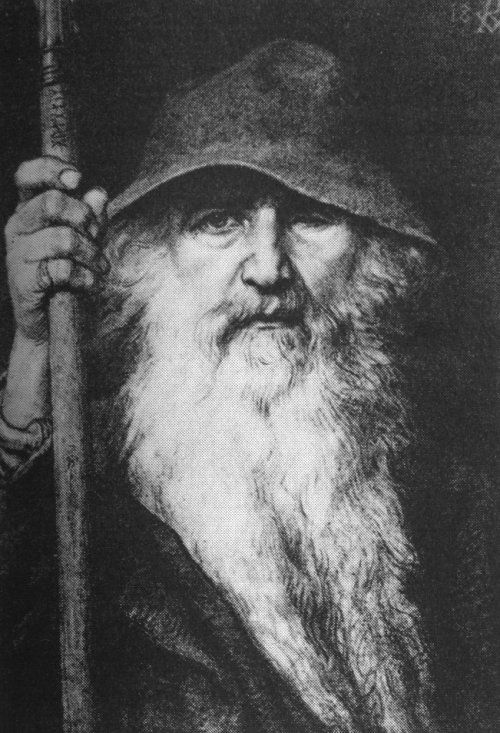
Odin
Allfather · Norse
Hangs himself on the world tree for nine nights to win the runes — a sovereign god who is also a liar, a sorcerer and a chooser of the slain.
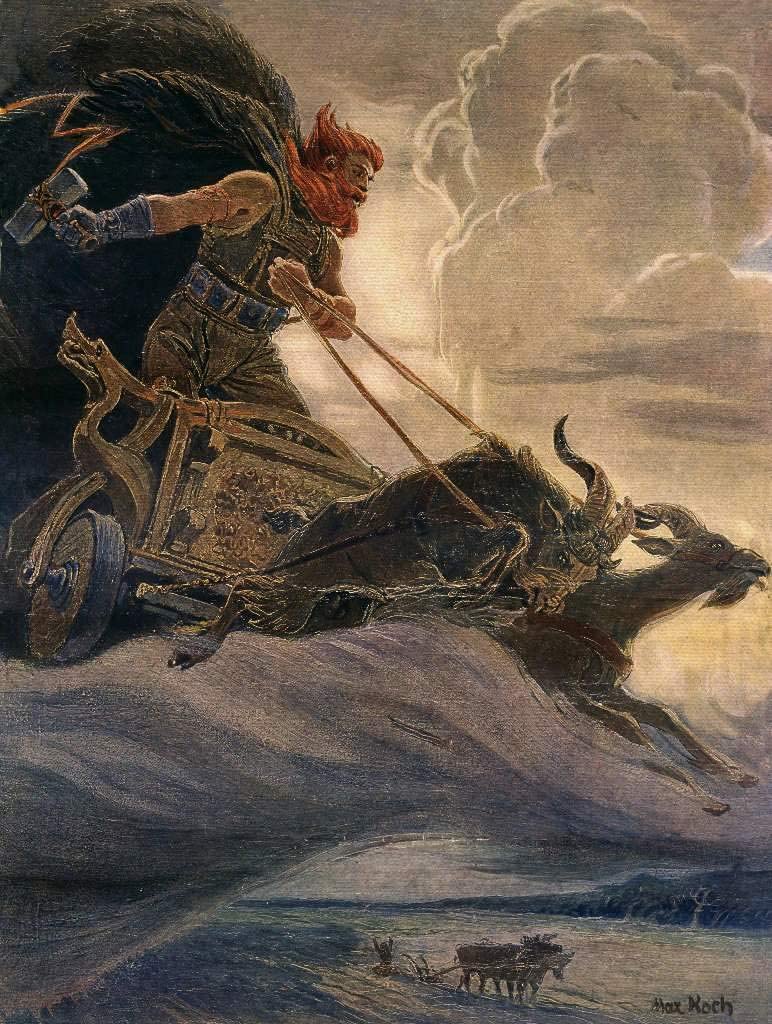
Thor
Thunderer · Norse
The defender who kills giants and will meet Jormungandr at Ragnarok. Whatever the poems give Odin, Thor was by far the more widely worshipped.
Loki
Trickster · Norse
Companion of the Aesir and their eventual destroyer — a figure whose slide toward the demonic is visible within the surviving texts themselves.
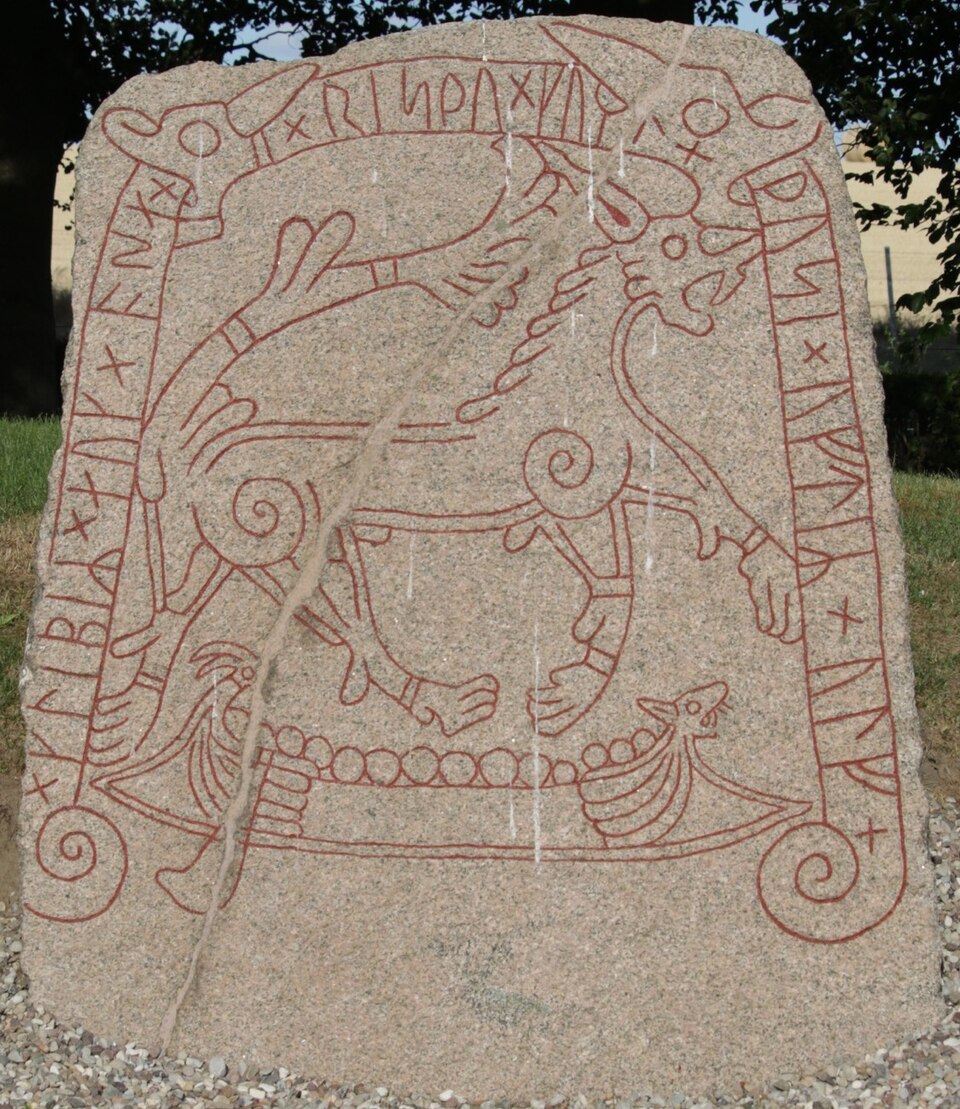
Fenrir
The Bound Wolf · Norse
Loki's son, bound by a fetter made of impossible things at the cost of Tyr's hand, and fated to kill Odin when the binding fails.
Hel
Ruler of the Dead · Norse
Daughter of Loki, and ruler of the realm that gave English the word 'hell'. Hers is cold, and nobody in it is being punished.
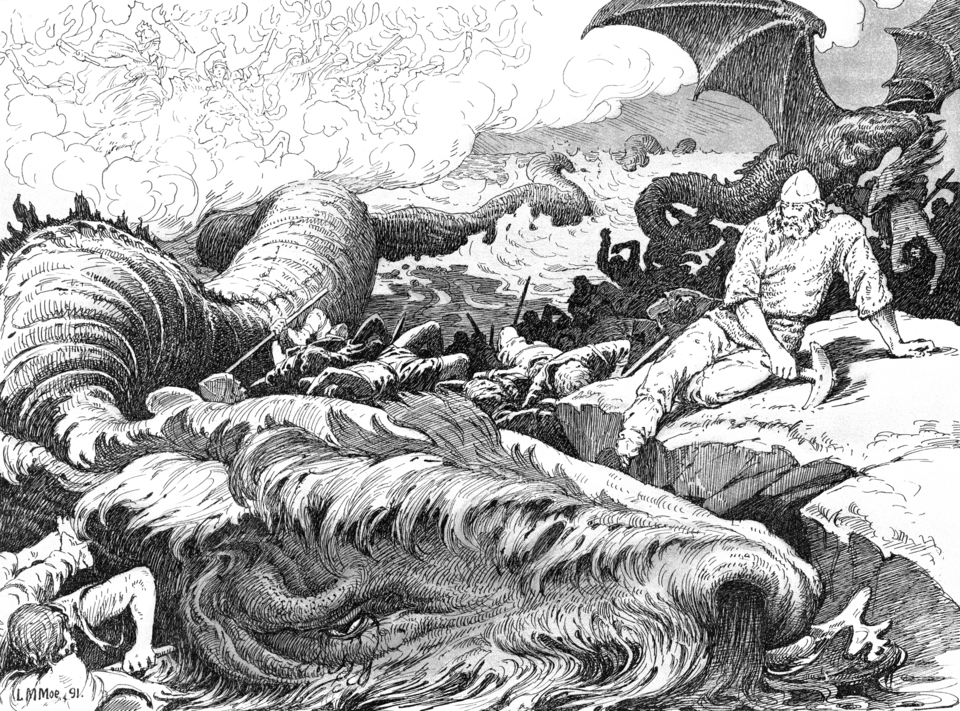
Jormungandr
World Serpent · Norse
The serpent that rings the world and bites its own tail — the Norse entry in the chaos-serpent pattern that runs from Tiamat to Leviathan.
The books behind Freyja
Every claim on this profile is attributed to one of these. They are public domain, listed oldest first, and each links to a full text where one is freely available.
The Prose Edda
Snorri Sturluson; tr. Arthur Gilchrist Brodeur · c. 1220 · Old Norse
Read The Prose Edda in full ↗Cover: Public domain · Unknown author · Wikimedia file page
The Poetic Edda
Anonymous; compiled in Iceland · 13th c., from older oral material · Old Norse
Read The Poetic Edda in full ↗Cover: Public domain · The Elder or Poetic Edda; commonly known as Sæmund's Edda. Edited and translated with… · Wikimedia file page
Corpus last revised 29 August 2026. A reference site’s credibility rests on being maintained, so this is the date the sourced records last changed — not the date the page was rebuilt.