Vedic & Hindu · Vedic Sanskrit · c. 800–600 BCE
The Shatapatha Brahmana
Anonymous; tr. Julius Eggeling
The prose commentary on the sacrifice, and the place where Vedic myth is explained rather than sung. Its Indra is the one this corpus wants: the god who kills Visvarupa, the three-headed son of Tvashtri, in a passage that pauses to say he was free from that sin — which is not a sentence anyone writes unless the question has been asked. A hero whose victories have to be defended is a different figure from the one the hymns celebrate, and the change is visible only if both texts are here.
Read The Shatapatha Brahmana in full at the linked edition →What this text attests · 3
| Name here | Rank given | # | Powers described |
|---|---|---|---|
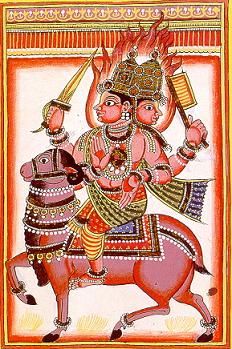
| — | — | The subject of the longest ritual description in Vedic literature: the building of the fire altar, layer by layer, as the reassembly of a creator who exhausted himself making the world. Agni is here both the fire in the altar and the god the altar is, which is a theology of identity between offering and offered that no other pantheon in this corpus states so plainly. | |
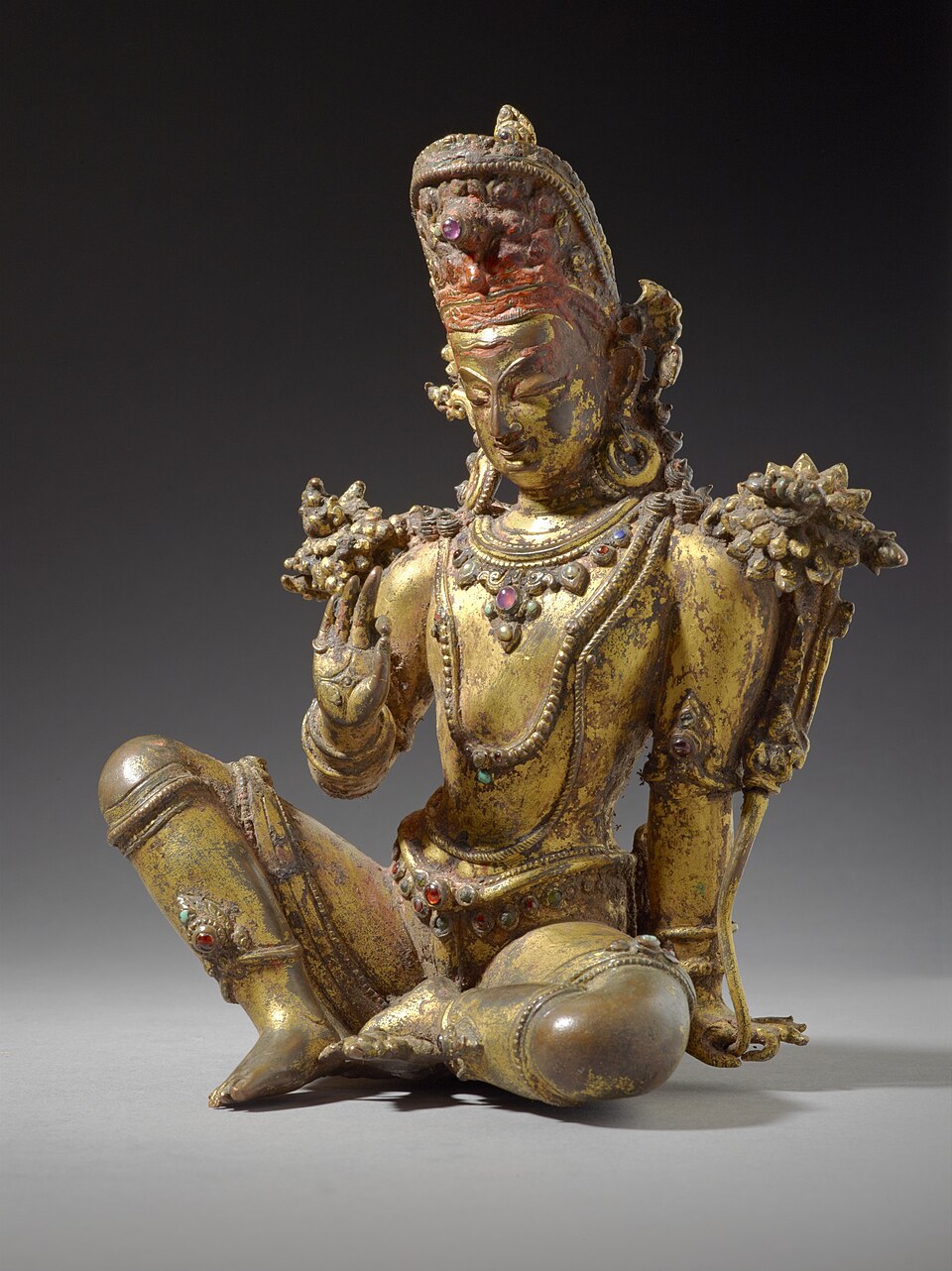
| — | — | The killing of Visvarupa, the three-headed son of Tvashtri, and the question it raises: the text says outright that Indra was free from that sin, which is a sentence nobody writes unless the sin is being discussed. A tradition working out what to do about a hero whose great victory looks like a crime is the beginning of the qualifying that the epics finish. | |
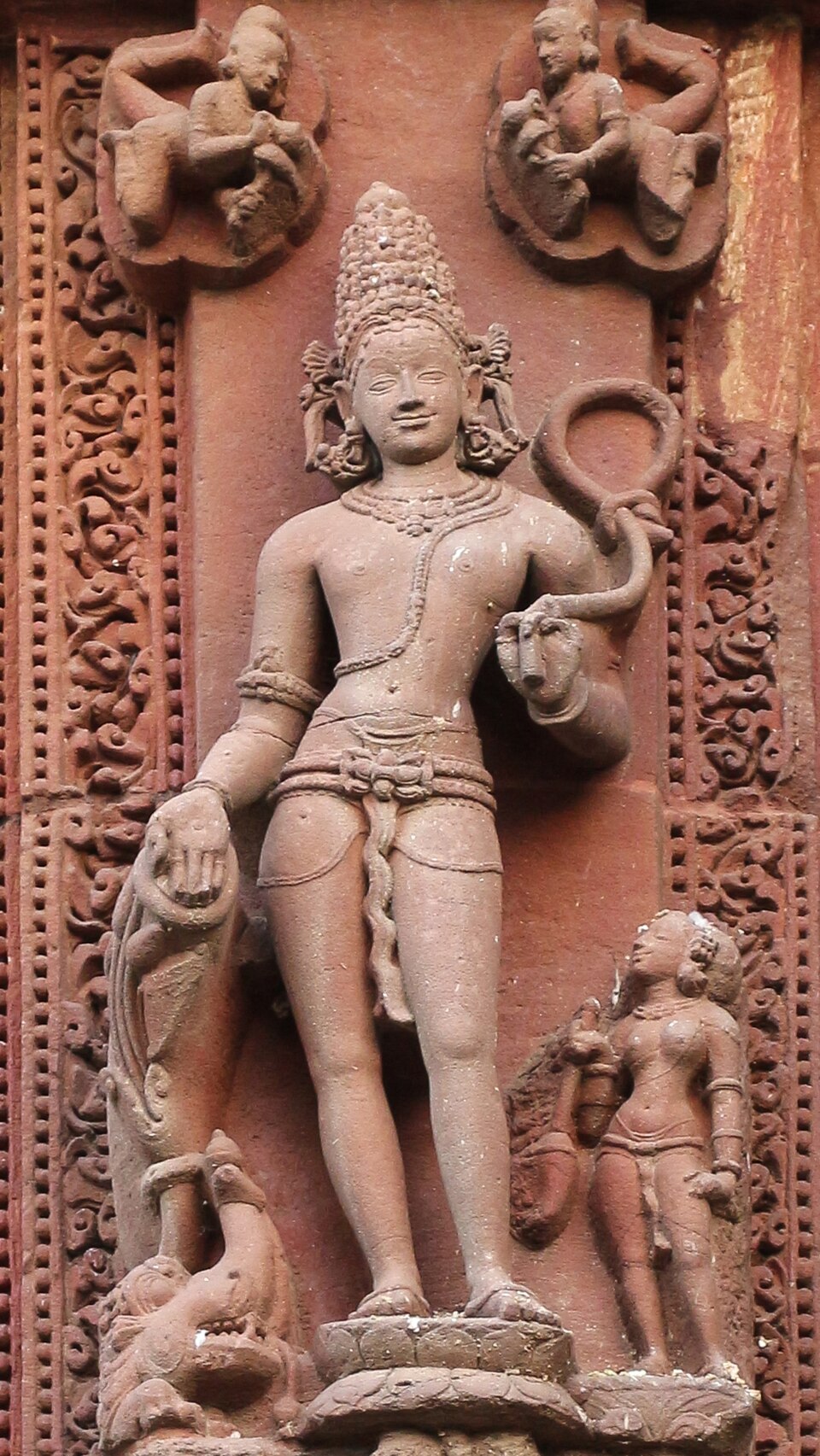
| — | — | Handled as a liability to be managed. The rite in his name exists to release the household from the nooses it has incurred, and the text explains the procedure as a settling of accounts with a god who is owed. Sovereignty has already become jurisdiction over a specific hazard, a stage between the Rigvedic sovereign and the later lord of waters. |