Deity · Vedic · c. 400 BCE
Ravana
Also called Daśānana, Rākṣasendra, Lankādhīśa, Ātmarāma, Mahābāhu, Tāraka, Vīrabhadra, Rākṣasārī, Yajñabhāga, Brahmaśāpī (per Wikidata)
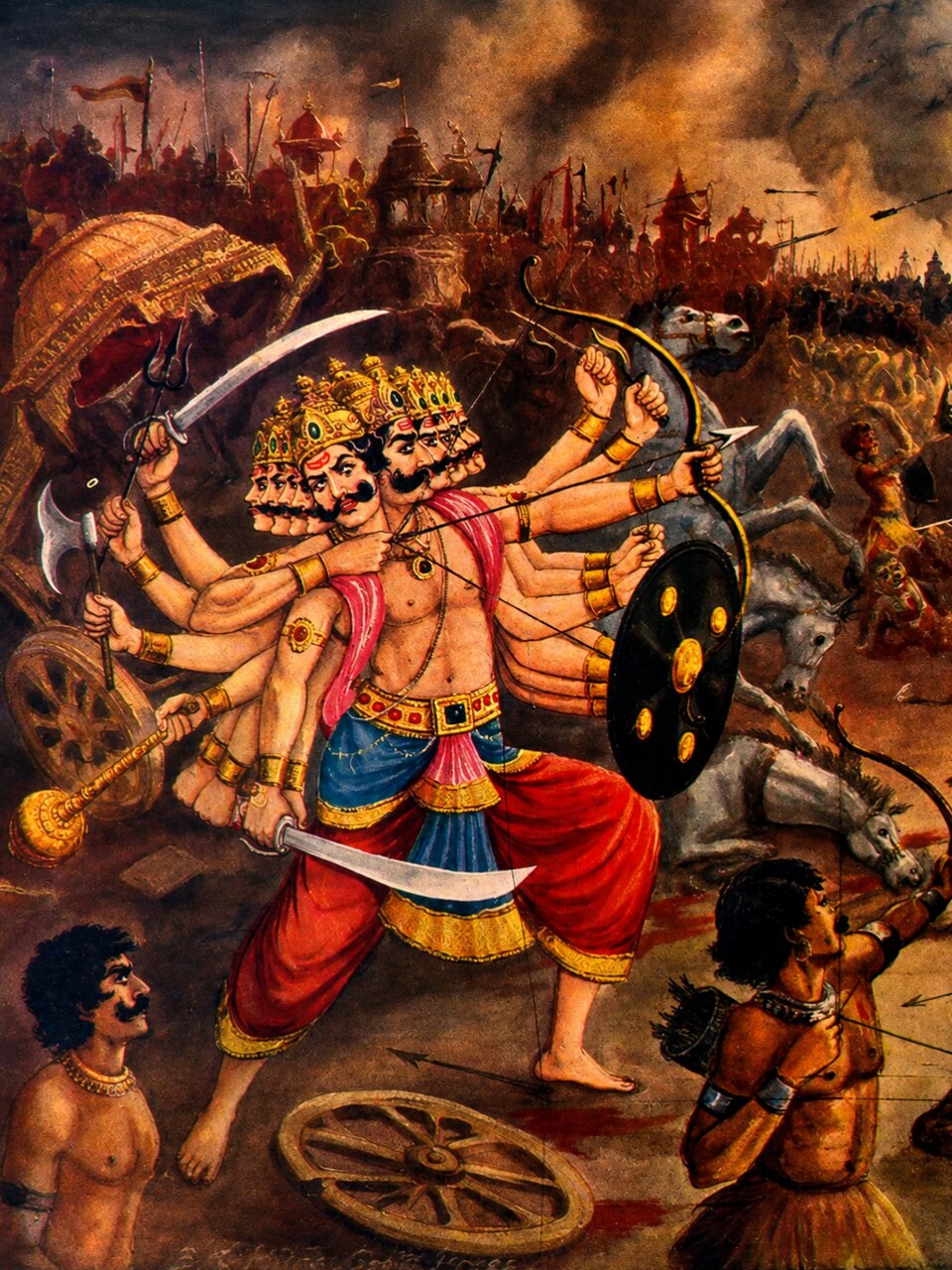
The ten-headed antagonist of the Ramayana — a devout scholar, musician and ascetic whose downfall is a single act of pride.
Well sourced
He is a brahmin by descent, a master of the Vedas, a virtuoso of the veena, and an ascetic whose austerities won his boons legitimately; parts of South India and Sri Lanka have honoured him rather than reviled him. His offence is specific — the abduction of Sita — not a general condition of evil. The contrast with a Christian devil, whose wickedness is total and whose every attribute is a corruption, is about as sharp as the comparative record gets.
Identity
Where does the name come from?
Where it was actually worshipped
A handful, which is the surprise: Bisrakh in Uttar Pradesh and a few temples in the south honour him as a devotee and a scholar rather than as the villain the Ramayana makes him.
A figure with temples and a figure that only ever existed on a page are different kinds of thing, and the difference is easy to lose once both are entries in a list.
At a glance
Vitals
Vitals
Also known as
- First attested
- Ramayana · c. 500-100 BCE
- Rank
- Rakshasa King
- Pantheon
- Vedic
- Order
- Vedic pantheon
- Base of operations
- A handful, which is the surprise: Bisrakh in Uttar Pradesh and a few temples in the south honour him as a devotee and a scholar rather than as the villain the Ramayana makes him.
- Era
- c. 400 BCE
- Traditions
- Vedic & Hindu
- Placed in
- Devas and Asuras
Traits
- Domain
- Sovereignty of Lanka, asceticism, scholarship, abduction
- Traditional form
- Ten heads and twenty arms
Stats
Known connections
Identified with
5 attributed
What is it said to do?
Where these powers cluster
The 5 offices attributed to Ravana, grouped by kind. Segment width is the share of powers falling in each category.
A bar dominated by one colour means a specialist; an even spread means a figure the sources credit with almost anything.
- knowledge1
- martial2
- transformation1
- malefic1
knowledge
martial
transformation
malefic
2 texts
Which texts say so?
When these texts were written
Each dot is one of the 2 texts that names Ravana, placed at that text's approximate date.
A wide spread means the figure was carried across many centuries and traditions; a tight cluster means a single period produced the whole record.
2 texts spanning roughly 200 years
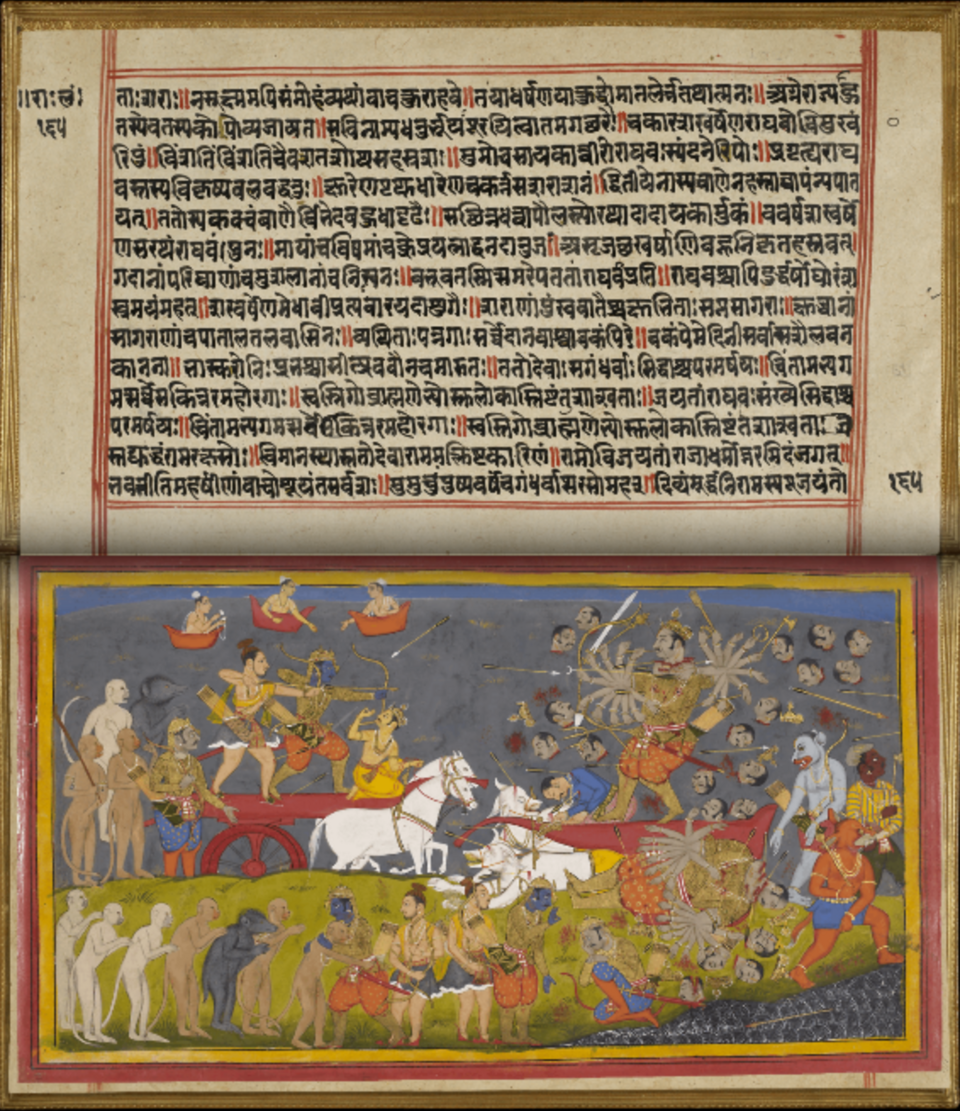
Wins near-invulnerability by austerity, and is undone by the one category he did not trouble to name in the boon. The Rigveda, a thousand years older, does not know him.
An independent witness to the Rama story, retold at length inside the other epic and differing from the Ramayana in its details. A figure that survives in two long poems by different hands is attested in a way a figure known from one is not, whatever either poem is worth as history.
Connections
What is it connected to?
Placement
Where does it sit in the hierarchies?
Answered from the sources
Common questions
Which texts mention Ravana?
Is Ravana the same as The Asuras?
What rank is Ravana?
How else is Ravana spelled?
What is Ravana said to do?
How old is Ravana?
Nearest in the corpus
If Ravana is what you came for, these are next
Chosen by proximity rather than by popularity: the same pantheon first, then the same rank, then the same kind of figure.
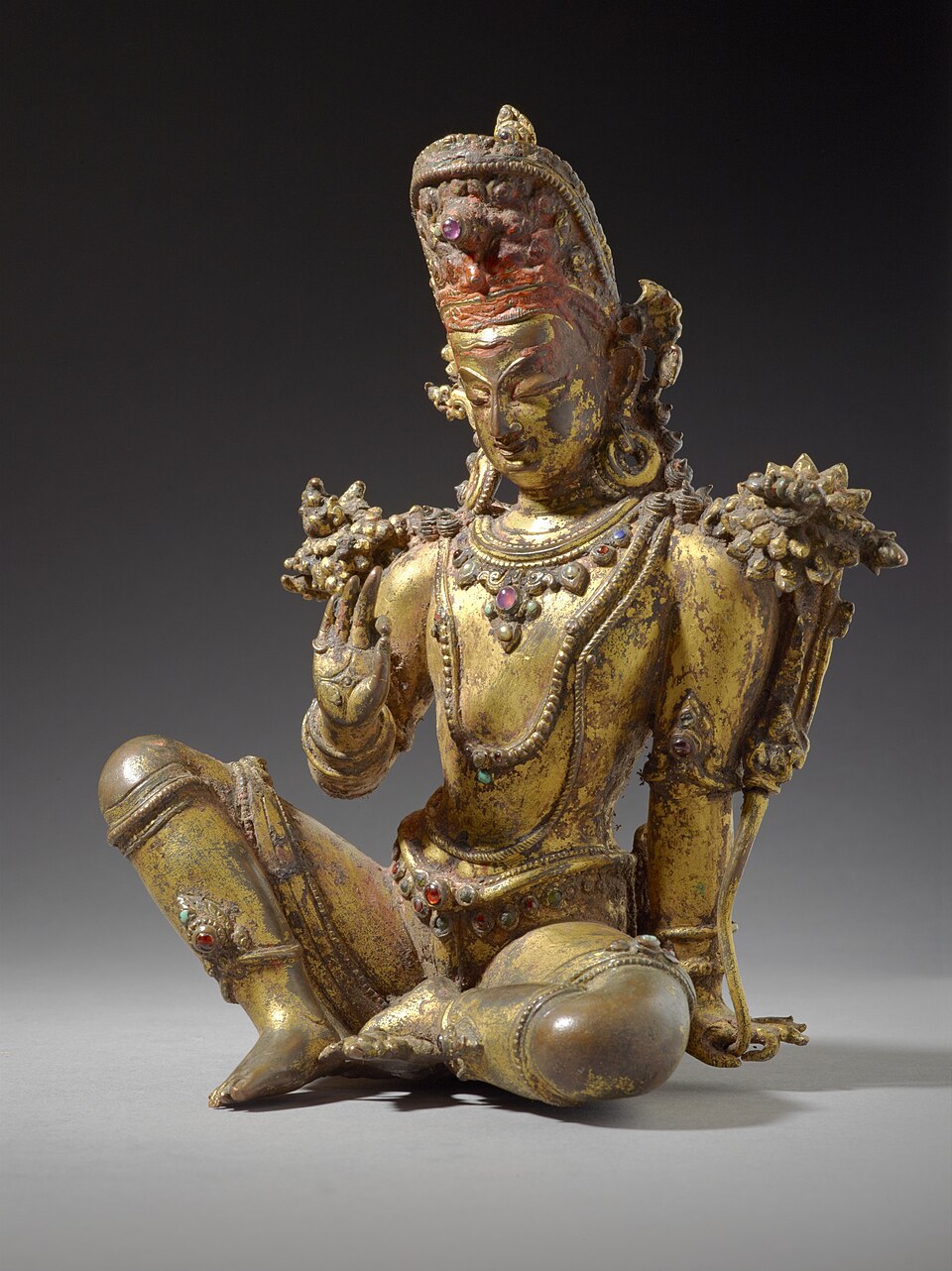
Indra
King of the Devas · Vedic
The thunderbolt-wielding king of the gods, who slays the serpent Vritra and releases the pent waters. It is the Indo-European form of the same combat myth as Baal against Yam.
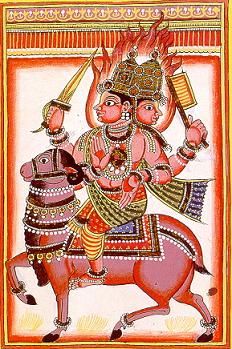
Agni
God of Fire · Vedic
Fire as the mouth of the gods — the one who carries offerings upward, and so the messenger of the Vedic system.
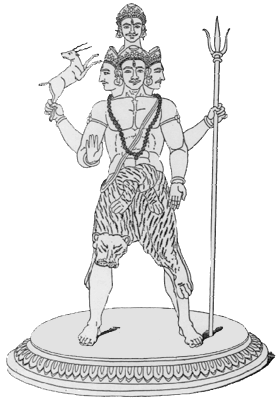
Rudra
The Howler · Vedic
The fierce archer who sends disease and withholds it — addressed in the Rigveda with open fear, and later absorbed into Shiva.
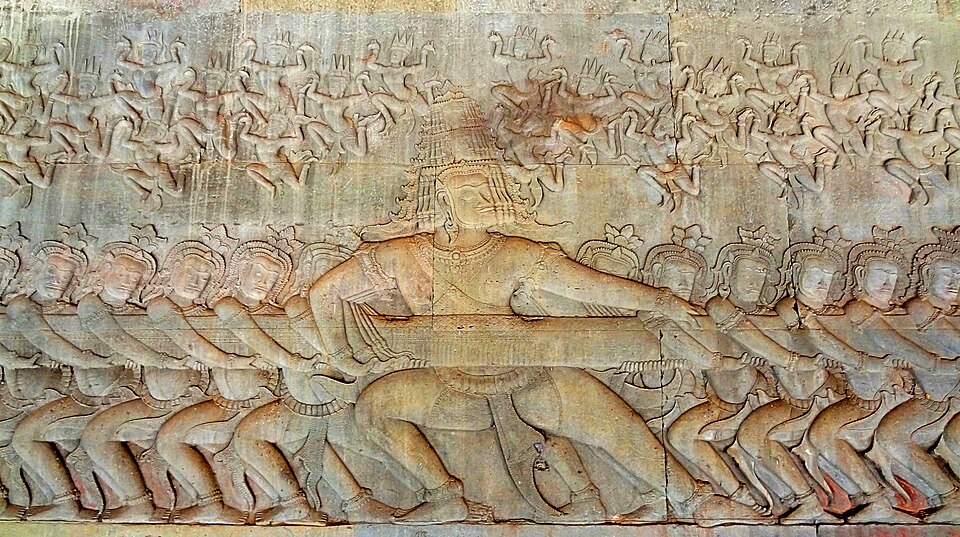
The Asuras
Class of Beings · Vedic
In the earliest Rigveda a title of honour for the highest gods; by the later Vedic period, the demonic opponents of the devas. The same word, inverted within one tradition.
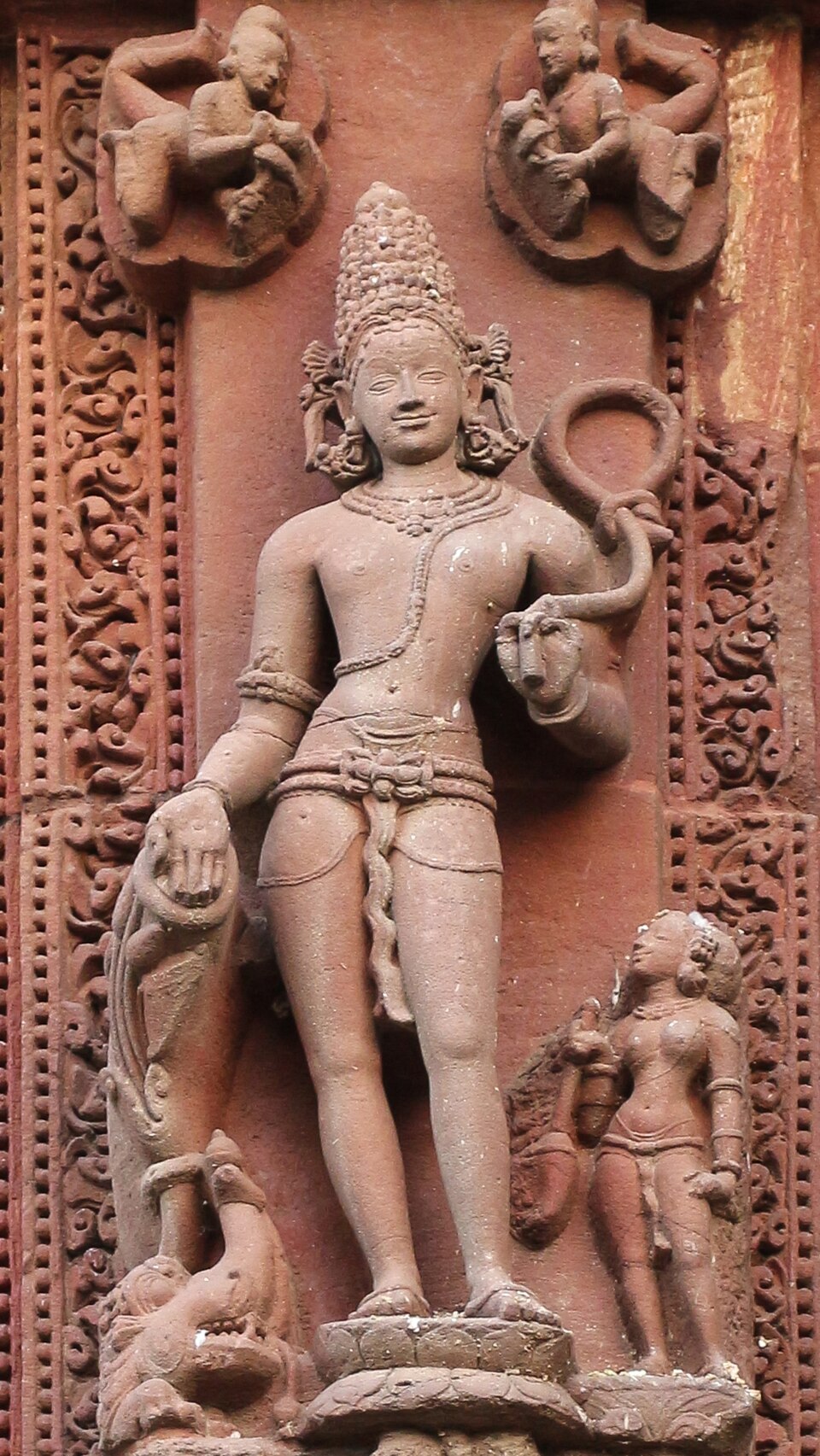
Varuna
Keeper of Cosmic Order · Vedic
Binder of the oath-breaker with his noose. The earliest hymns call him *asura*, using the word as an honorific, long before it turned demonic.
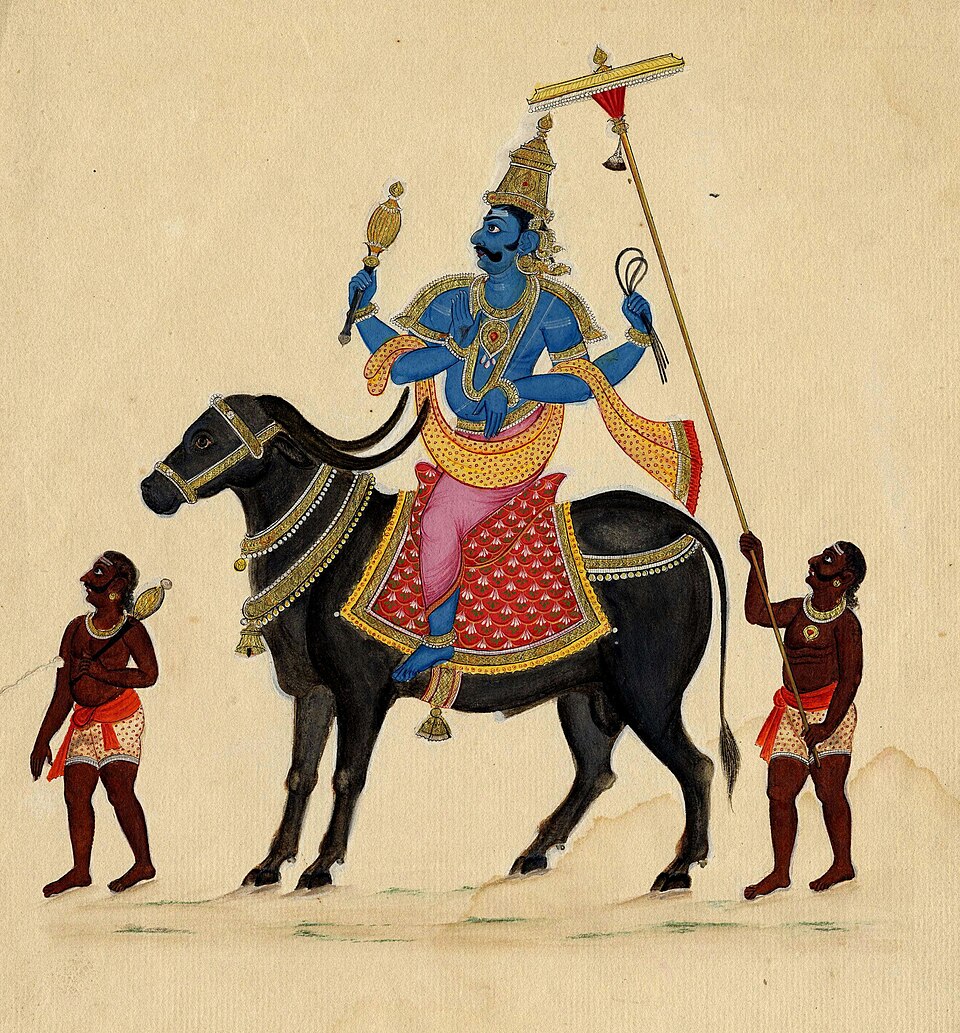
Yama
Lord of Death · Vedic
The first mortal to die, and so the king of the dead who judges those who follow. Azrael and Anubis hold the same office under other names.
The books behind Ravana
Every claim on this profile is attributed to one of these. They are public domain, listed oldest first, and each links to a full text where one is freely available.
Ramayana
Valmiki; tr. Ralph T. H. Griffith · c. 500-100 BCE · Sanskrit
Read Ramayana in full ↗Cover: Public domain · Scribes and painters employed by the Kingdom of Mewar · Wikimedia file page
The Mahabharata
Attributed to Vyasa; tr. Kisari Mohan Ganguli · c. 400 BCE – 400 CE · Sanskrit
Read The Mahabharata in full ↗
Corpus last revised 29 August 2026. A reference site’s credibility rests on being maintained, so this is the date the sourced records last changed — not the date the page was rebuilt.