Tradition
Slavic
Pre-Christian Slavic religion, known mostly through chronicles written by its opponents and through surviving folk practice.
What is the Slavic tradition?
Pre-Christian Slavic religion is known worse than almost anything else on this site. There is no Slavic Edda. What exists is chronicle notices written by opponents, a handful of treaty texts, archaeological remains, and folk practice recorded a millennium after conversion.
That means the reconstructions are genuinely uncertain, and this site marks them as such rather than presenting a tidy pantheon the evidence does not support. Where a figure is attested in a single hostile chronicle entry, the attestation score says so, and that low score is a fact about the evidence rather than a judgement about the figure.
The folk material is the richer half of the record. Household and field spirits, the beings of water and forest, survived in practice long after the gods above them stopped being named, which is a common pattern: the small local powers outlast the state cult that suppressed them.
Which texts does this tradition rest on?
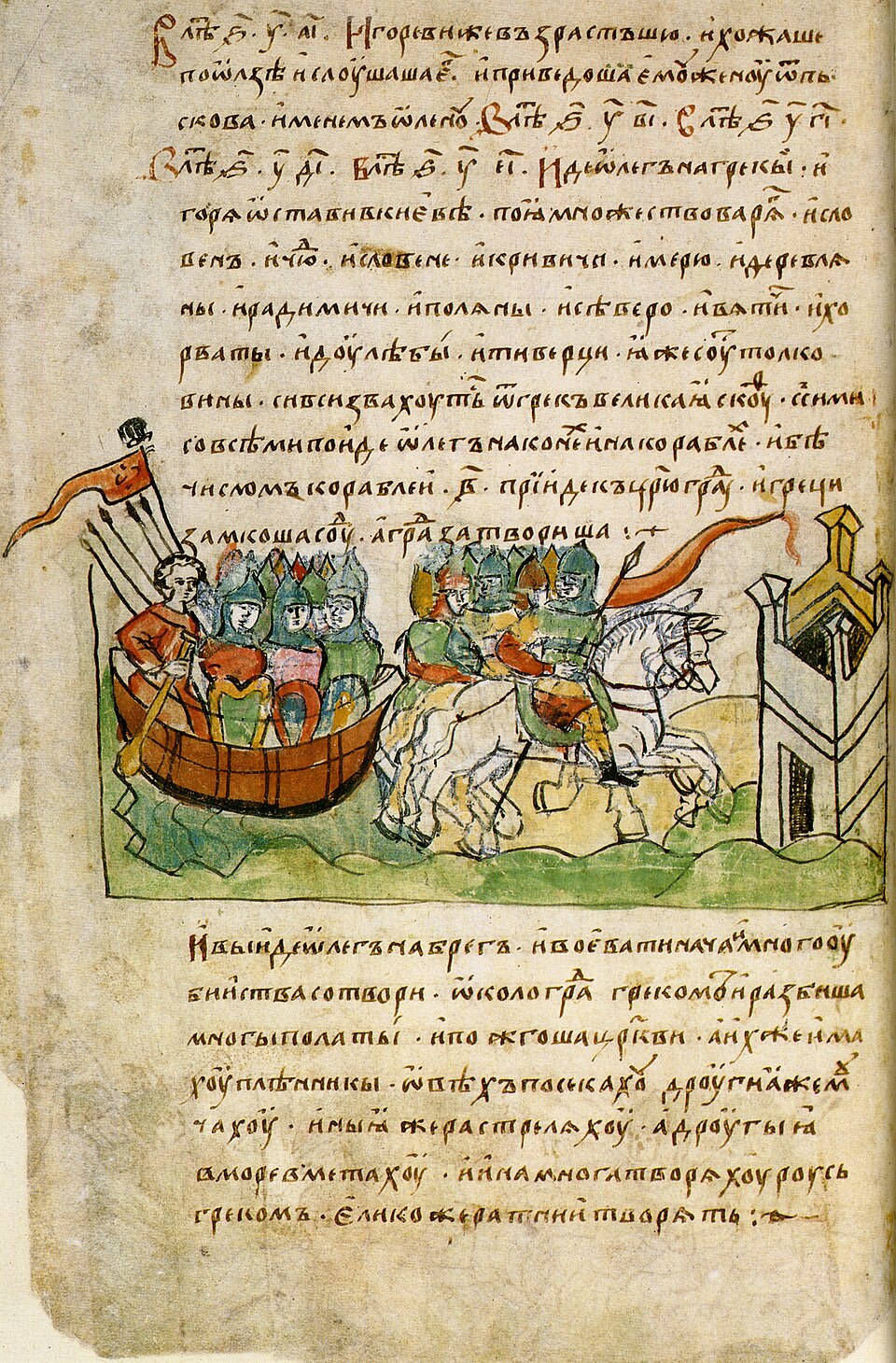
The Primary Chronicle & Slavic Folk Record
Attributed to Nestor and later compilers · c. 1113, describing earlier practice
Records Vladimir's pantheon at Kiev and then its destruction — an account of Slavic religion written by the people who ended it, and almost the only account there is.
4 entries contributed
Chronica Slavorum
Helmold of Bosau · c. 1170
A Saxon priest's history of the conversion of the Wends, and the single most-quoted sentence in the study of Slavic religion: that at their feasts a bowl is passed and words are said over it in the name of a good god and an evil one, whom they call Chernobog, the black god. Everything later written about Slavic dualism rests on that one passage by a hostile observer, and this corpus carries it as what it is — a report, not a system.
1 entries contributed
The Tale of Igor's Campaign
Anonymous; tr. from the Old East Slavic · c. 1185
A secular Russian poem written two centuries after the official conversion, and still calling its poet the grandson of Veles and its people the grandsons of Dazhbog. The gods are not worshipped in it and are not attacked either; they survive as the vocabulary of praise. That is a specific stage of demotion this corpus can otherwise only assert.
3 entries contributed
The Novgorod First Chronicle
Anonymous; tr. Robert Michell and Nevill Forbes · 13th-14th c., from earlier annals
The annals of Novgorod, and the corpus's second independent record of the destruction of a Slavic cult. Its account of the conversion has the idol of Perun pulled down, beaten and thrown into the Volkhov, with the god reported as crying out and cursing as he goes downstream. A chronicler who thinks the thing is a block of wood still records that it spoke, which is the sort of detail that survives because nobody thought to remove it.
1 entries contributed
Which marks belong to it?
Oldest first. A mark used by several traditions appears on each of their pages — which is the point: the shapes crossed these boundaries far more easily than the names did.
Who is filed under Slavic?
Ordered by attestation score — how early and how independent the texts that name each figure are, rather than how famous the figure has since become.
Dazhbog
The Giving God · Slavic
The Slavic sun god of Vladimir's pantheon at Kiev, whose people are still calling themselves his grandsons in a poem written two centuries after they were baptised.
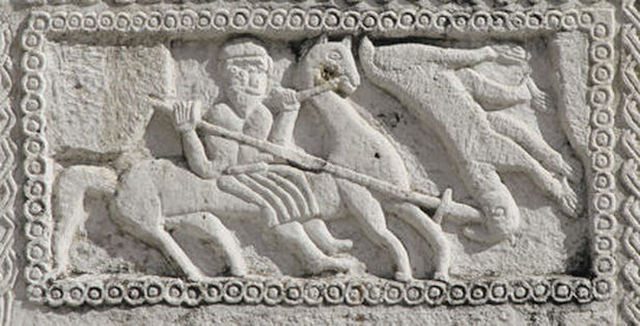
Perun
Thunder God · Slavic
Chief god of Vladimir's pantheon at Kiev, whose idol was thrown into the Dnieper at the conversion in 988.
Stribog
Lord of the Winds · Slavic
The Slavic wind god of Vladimir's pantheon, whose grandsons in the Tale of Igor are the winds themselves, blowing arrows across the steppe at an army.

Veles
God of Cattle and the Underworld · Slavic
Perun's opponent, god of herds, wealth and the world below — and one of the clearest cases of a god converted directly into a devil.
Chernobog
The Black God · Slavic
The Slavic black god, known from one sentence in one hostile German chronicle — and the foundation of everything later written about Slavic dualism, which is more than one sentence can hold.