Deity · Egyptian · c. 2000 BCE
Hapi
Also called Hapy, Hep
The annual Nile inundation as a god: a fat, breasted figure who is neither male nor female because he is not a person but a season that fed a country.
Well sourced
Egypt had no rain worth the name and one reason it existed: every summer the Nile rose, spread silt across the valley, and made the difference between a civilisation and a desert. Hapi is that event given a body. He is drawn heavy and androgynous — a man's beard with a woman's breasts and a full belly — not from confusion but because the image is about nourishment rather than gender, and the same convention is used for the fertility of the fields.
He has almost no mythology. There is no Hapi story, no genealogy that matters, no temple state of the kind Amun or Ptah commanded. What survives instead is hymns: long, grateful, agricultural texts praising the flood for arriving and begging it to arrive at the right height. A low flood meant famine and a high one meant destruction, and the hymns are perfectly clear about both.
This matters for how the figure is used elsewhere. Hapi is the inundation, not the river, and Egypt had no single 'god of the Nile' in the sense later writers reach for.
Identity
Where does the name come from?
What the name means
The name is not the ordinary Egyptian word for the river, which was iterw. Hapi is the flood itself rather than the water — the annual event, personified.
Where it was actually worshipped
Gebel el-Silsila and the cataract region, where the flood was held to begin
A figure with temples and a figure that only ever existed on a page are different kinds of thing, and the difference is easy to lose once both are entries in a list.
At a glance
Vitals
Vitals
Also known as
- First attested
- The Pyramid Texts · c. 2350–2100 BCE
- Rank
- The Inundation
- Pantheon
- Egyptian
- Order
- Egyptian pantheon
- Base of operations
- Gebel el-Silsila and the cataract region, where the flood was held to begin
- Era
- c. 2000 BCE
- Traditions
- Egyptian
Traits
- Domain
- The Nile flood, abundance, the fertility of the black land
- Traditional form
- A heavy-bodied man with pendulous breasts and a belly, crowned with papyrus or lotus, carrying offering tables
Stats
Known connections
Chain of command
2 attributed
What is it said to do?
Where these powers cluster
The 2 offices attributed to Hapi, grouped by kind. Segment width is the share of powers falling in each category.
A bar dominated by one colour means a specialist; an even spread means a figure the sources credit with almost anything.
- material2
2 texts
Which texts say so?
When these texts were written
Each dot is one of the 2 texts that names Hapi, placed at that text's approximate date.
A wide spread means the figure was carried across many centuries and traditions; a tight cluster means a single period produced the whole record.
2 texts spanning roughly 1,150 years
The inundation named among the powers the dead king commands, which puts the personified flood in the oldest layer of the literature. Egypt's most consequential natural event having a god at all is not obvious — the Nile's rise is annual and reliable, and reliable things are not usually deified.
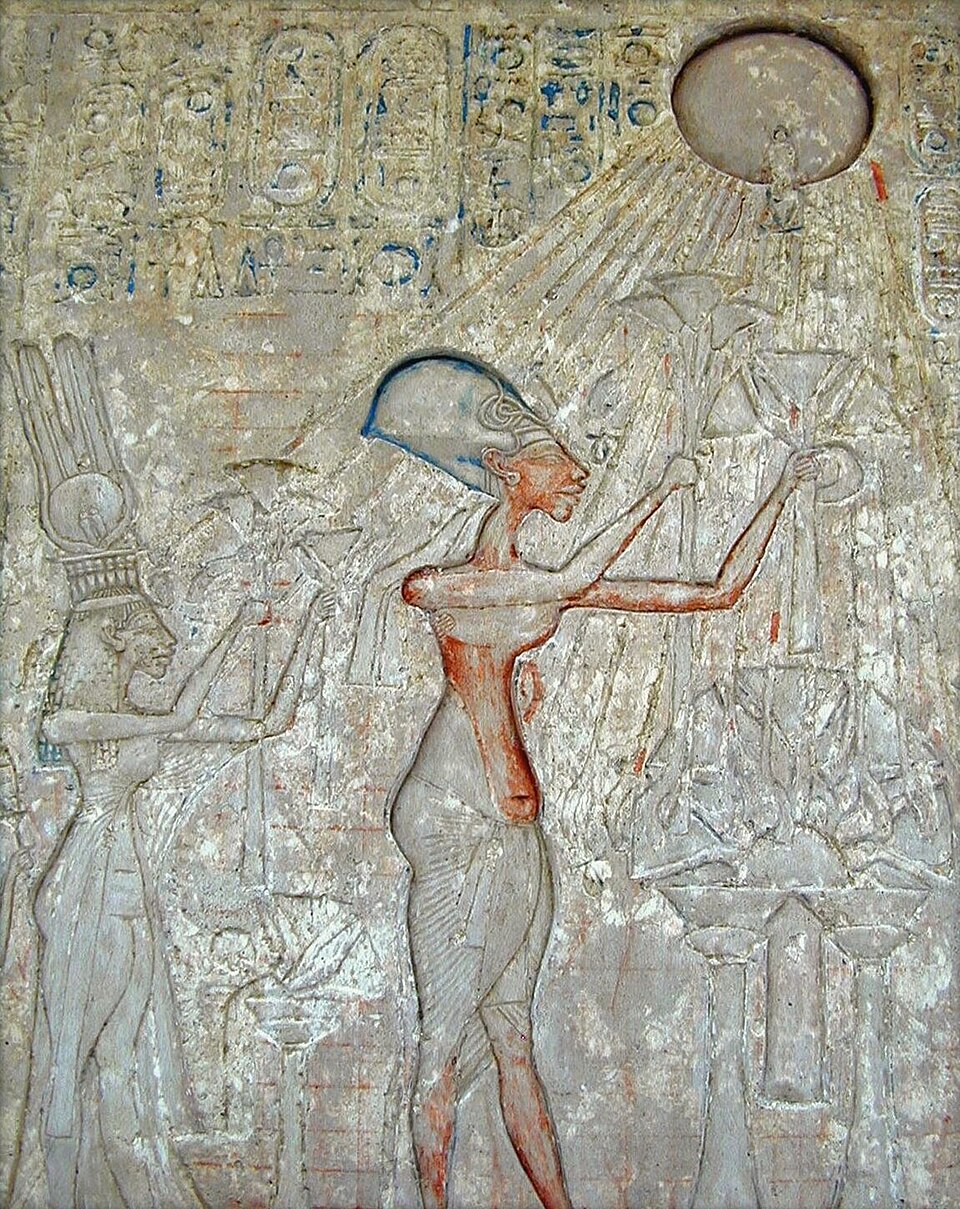
Praised as the bringer of the inundation that feeds Egypt, arriving without a temple, an image or a fixed season anyone can command. The hymns ask for a flood neither too low nor too high, and treat both failures as equally ruinous.
Connections
What is it connected to?
Afterwards
What did later readers make of it?
Named in nearly every version of the plague table as the god struck by the first plague, usually described as 'god of the Nile'. The corpus grades that pairing at C: the domain is genuinely divine, but Hapi is the flood rather than the water, and Exodus names no Egyptian god at all.
Kept in its own section on purpose. Everything above is what the cited texts say; this is what was built on top of them afterwards, and blending the two is how most popular demonology goes wrong.
Answered from the sources
Common questions
Which texts mention Hapi?
What rank is Hapi?
How else is Hapi spelled?
What is Hapi said to do?
How old is Hapi?
Nearest in the corpus
If Hapi is what you came for, these are next
Chosen by proximity rather than by popularity: the same pantheon first, then the same rank, then the same kind of figure.
Khepri
The Morning Sun · Egyptian
The sun at dawn, in the form of a scarab beetle rolling it up over the horizon — one of the three daily aspects of the sun, and a pun on the word for coming into being.
Anubis
Guide of the Dead · Egyptian
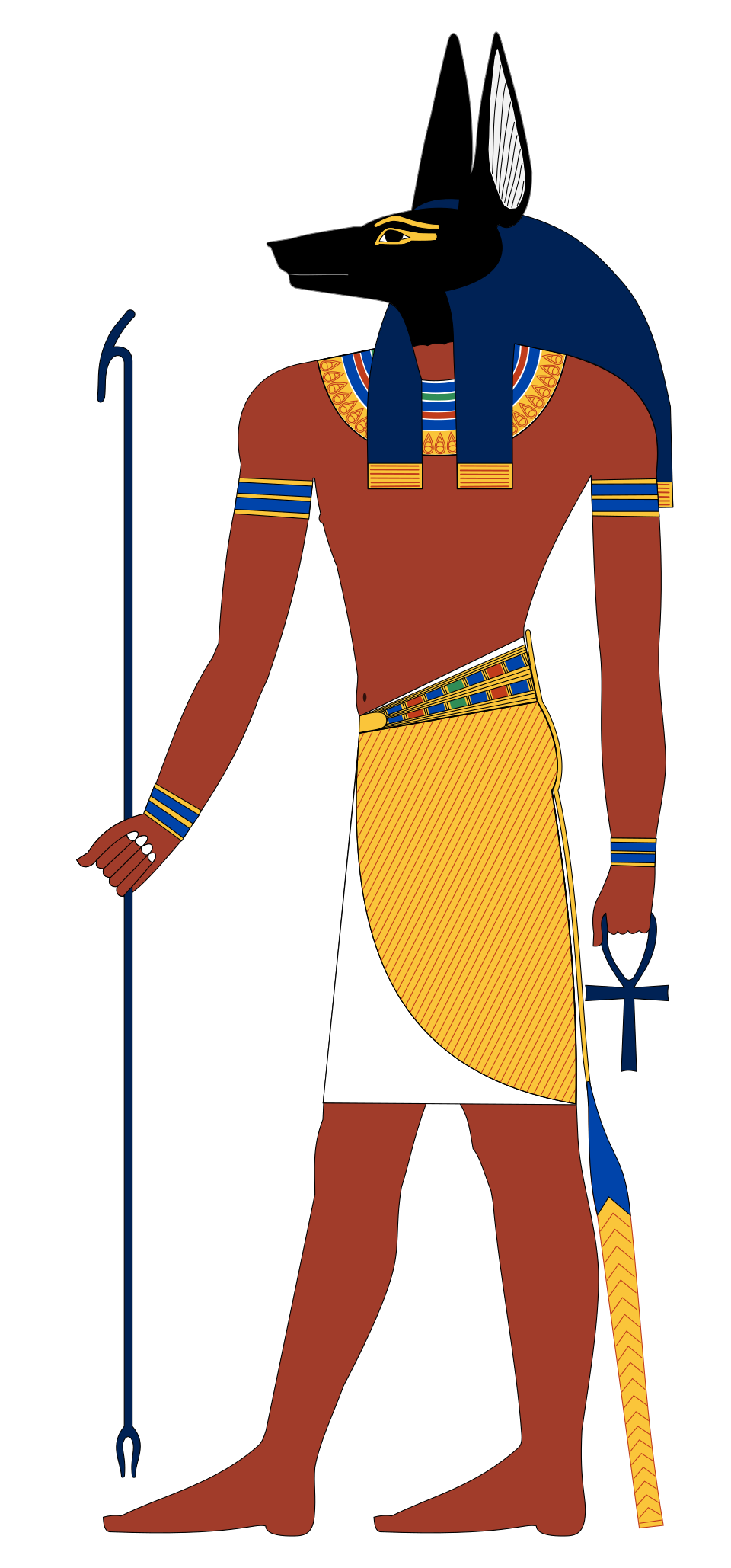
Embalmer and psychopomp, who leads the dead to the scales — the office Western tradition eventually gives to Michael and to Azrael.
Horus
Falcon King · Egyptian
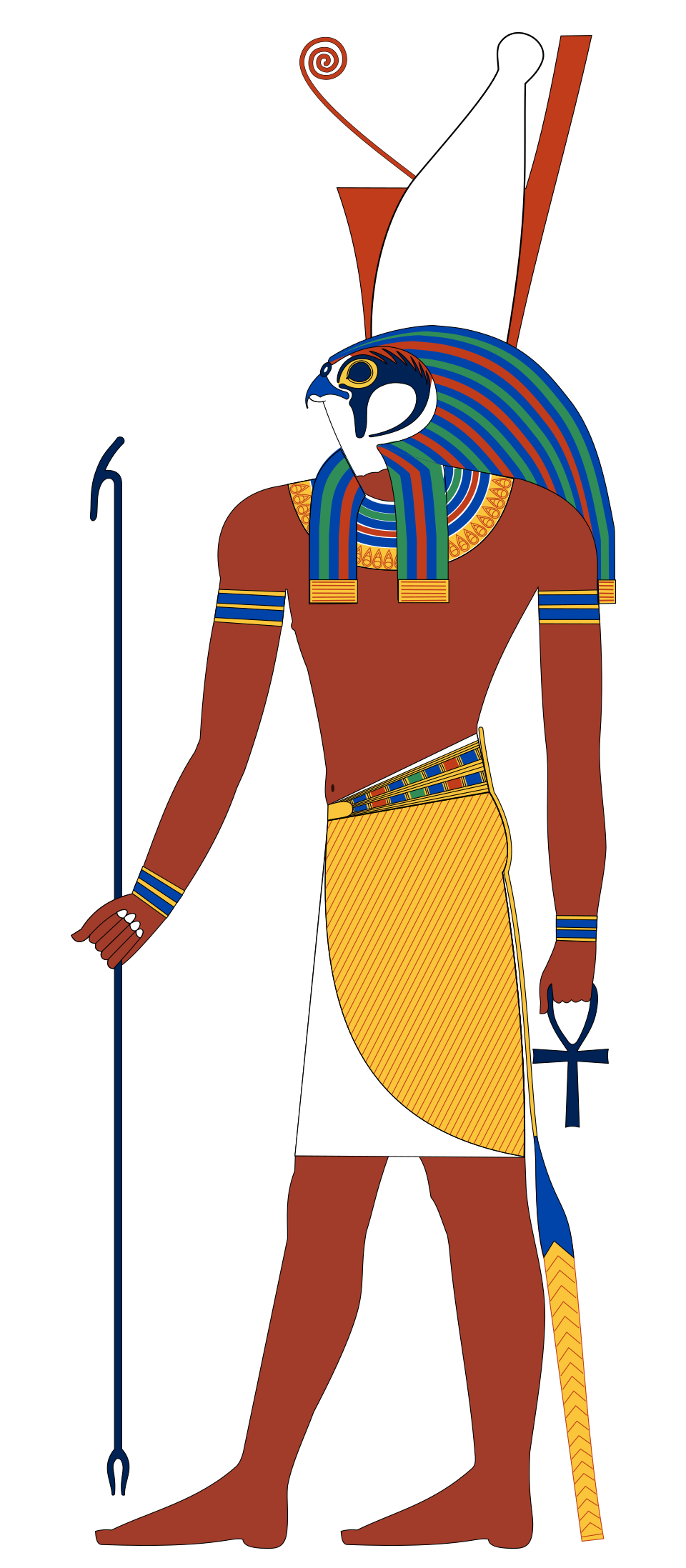
Son of Osiris, who contends eighty years with Set for the throne. Every living pharaoh was understood to be his incarnation.
Isis
Great of Magic · Egyptian
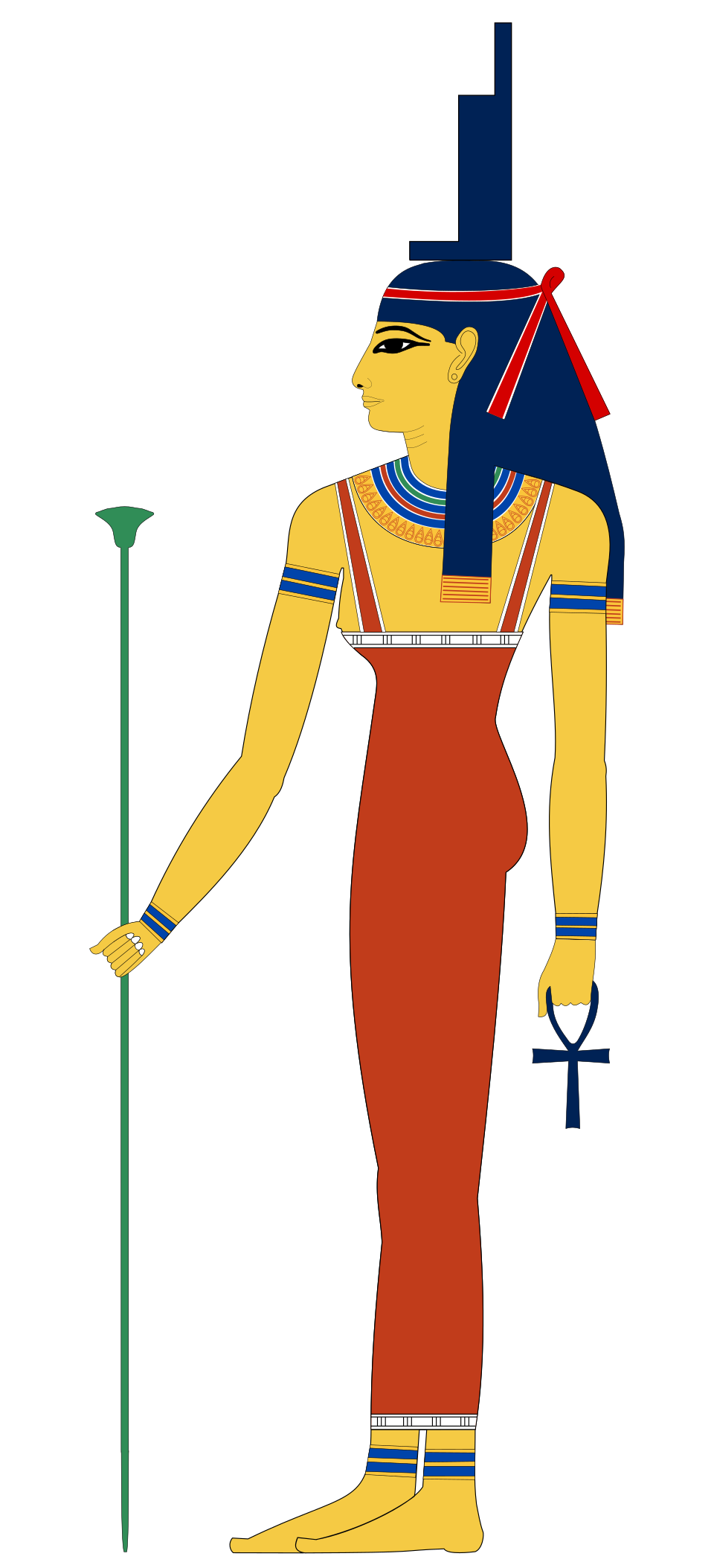
The great magician who reassembles Osiris and tricks Ra into surrendering his secret name. Her cult eventually reached as far as Roman Britain.
Nephthys
Lady of the House · Egyptian
Set's wife who sides with her sister Isis against him, and mourns Osiris at the head of the bier.
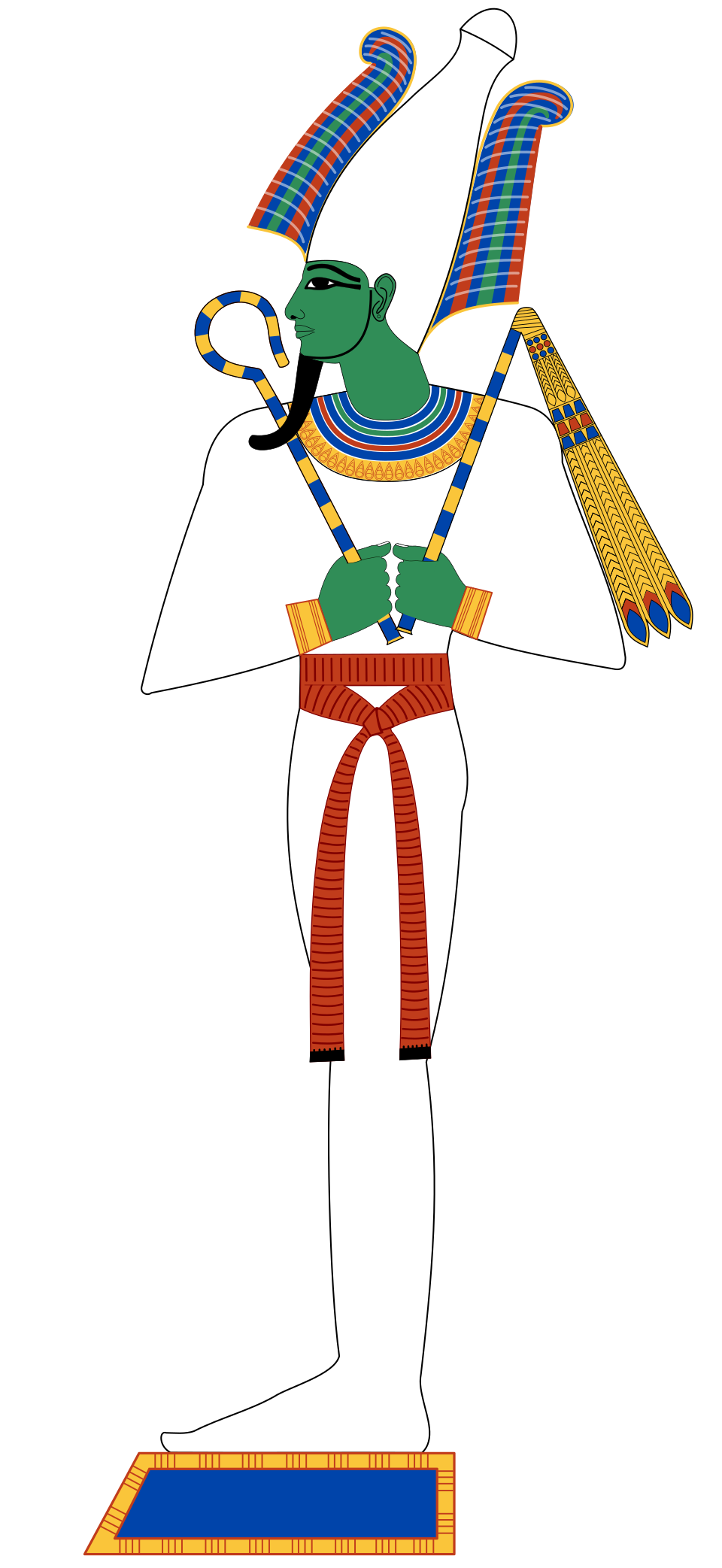
Osiris
Lord of the Dead · Egyptian
Murdered by Set, reassembled by Isis, and installed as judge of the dead. He is the earliest fully developed dying-and-rising sovereign we have.
The books behind Hapi
Every claim on this profile is attributed to one of these. They are public domain, listed oldest first, and each links to a full text where one is freely available.
The Pyramid Texts
Anonymous; carved for the kings and queens of the Fifth and Sixth Dynasties · c. 2350–2100 BCE · Old Egyptian
Read The Pyramid Texts in full ↗Egyptian Hymns, Stelae & Temple Inscriptions
Various; tr. E. A. Wallis Budge and others · c. 2000 BCE - 300 BCE · Egyptian
Read Egyptian Hymns, Stelae & Temple Inscriptions in full ↗Cover: Public domain · Jean-Pierre Dalbéra from Paris, France · Wikimedia file page
Corpus last revised 29 August 2026. A reference site’s credibility rests on being maintained, so this is the date the sourced records last changed — not the date the page was rebuilt.