Rank
Prince
9 figures in this corpus are recorded as prince. Rank here is a claim made by a particular text rather than a property of the figure, so the same name can hold different ranks in different sources — and where it does, the profile shows the disagreement instead of picking one.
Which texts assign this rank?
The Lesser Key of Solomon, Book I: Ars Goetia
17th c.; ed. 1904 · 5 entries
Pseudomonarchia Daemonum
1577 · 5 entries
Dictionnaire Infernal
1818; illustrated ed. 1863 · 4 entries
Hebrew Bible & Deuterocanon
c. 900–100 BCE · 3 entries
New Testament
c. 50–110 CE · 2 entries
Paradise Lost
1667 · 2 entries
The Testament of Solomon
c. 100–400 CE · 1 entry
Who holds the rank of prince?
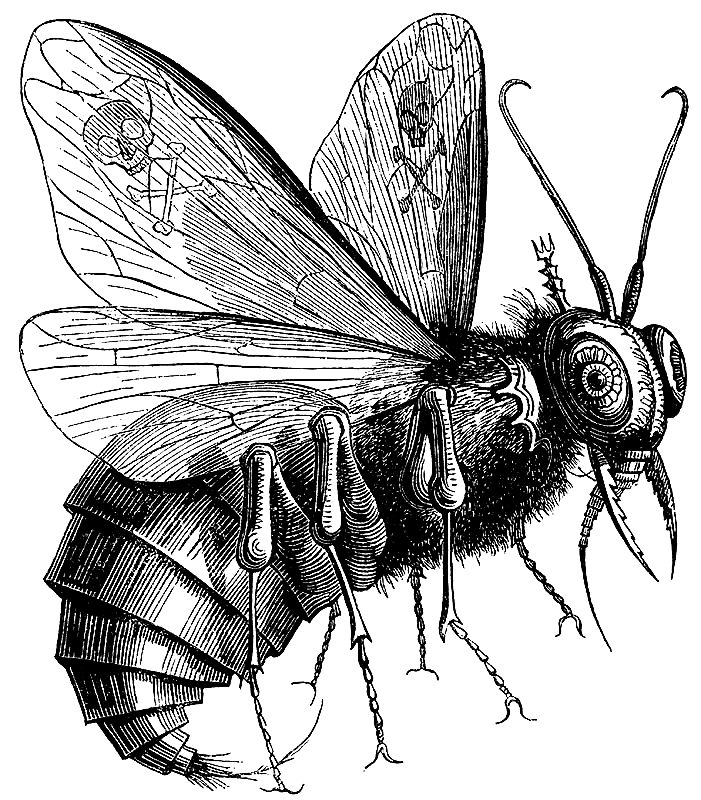
Beelzebub
Prince · Infernal Court
'Lord of the Flies' — a Philistine god of Ekron whose name was almost certainly deformed as a Hebrew insult, then inherited by Christian demonology as the second power of hell.
Moloch
Prince · Infernal Court
The deity of the Tophet child sacrifices in Kings and Jeremiah — or, on a long-running scholarly reading, the name of the sacrifice itself rather than a god.
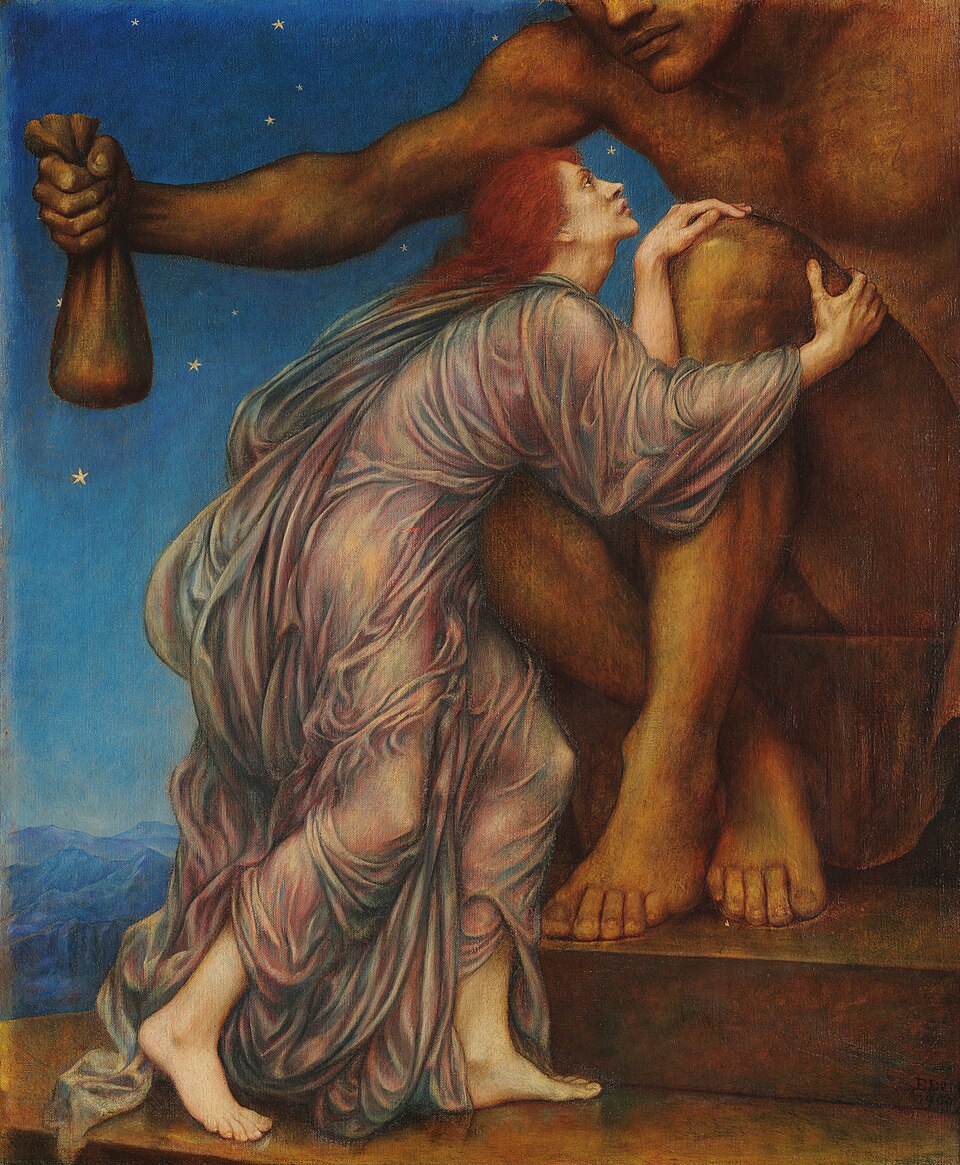
Mammon
Prince · Infernal Court
Wealth personified. The gospels use the word for money itself; demonology turned the metaphor into an officer of hell.
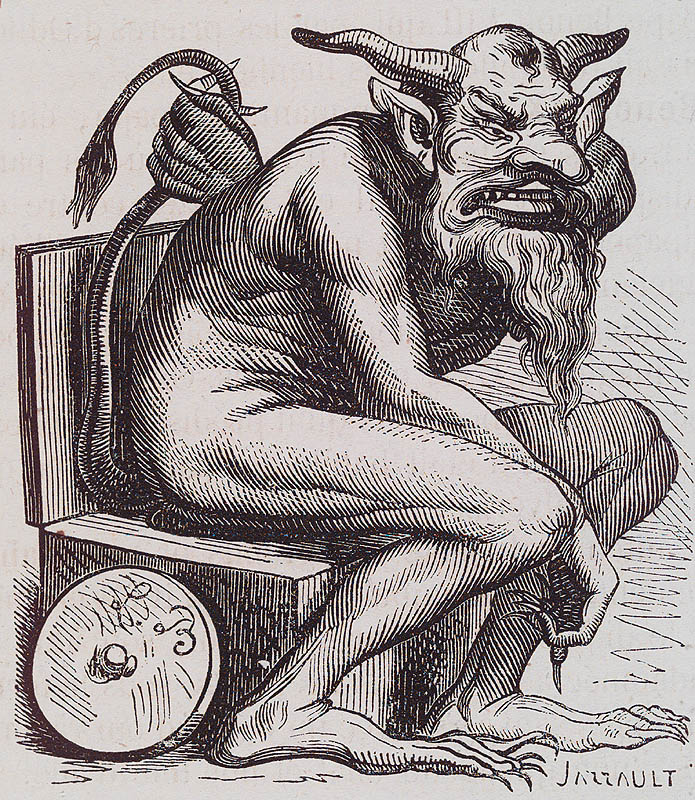
Belphegor
Prince · Infernal Court
The Moabite Baal of Peor, reassigned by demonology as the demon of sloth and of ingenious inventions. A god turned into a joke about laziness.

Orobas
Prince · Goetic Spirit
Singled out in the Goetia as faithful and honest — he does not tempt or deceive, and he defends the operator against the other spirits, which no other entry promises. He discourses on divinity and the creation of the world.
Sitri
Prince · Goetic Spirit
A griffin-winged leopard's head that resolves into a very beautiful man. His single office is compulsion in desire, running in both directions, and the Goetia is explicit that it extends to making its objects strip.
Stolas
Prince · Goetic Spirit
His teaching is narrow and exact — astronomy, and the properties of herbs and precious stones — with none of the wars, treasures or transformations that crowd the entries around him. He comes as a mighty raven, then a man.
Seere
Prince · Goetic Spirit
Among the most obliging spirits in the book: he comes and goes in the twinkling of an eye, brings abundance of all things, carries goods wherever he is sent, and is described as willing to do what he is asked. A beautiful man on a winged horse, and absent from Weyer.
Vassago
Prince · Goetic Spirit
One of four spirits the Ars Goetia adds to Weyer's older list, and among the handful it calls good-natured. His work is retrieval: what has already happened, what is coming, and whatever has been hidden or lost.